
Food & Culinary Excellence
Saga Prefecture’s cuisine is shaped by its fertile plains, calm coastal waters, and strong agricultural traditions. The region is particularly renowned for its premium beef, refined ceramics-based dining culture, and high-quality local produce. Meals in Saga often emphasise purity of flavour, careful preparation, and seasonal ingredients.
Unlike larger cities, Saga’s food culture is deeply tied to its land and people. Dining here often feels personal and local, whether enjoying a countryside restaurant, a long-established ryokan meal, or a simple dish prepared with exceptional ingredients.
Local Specialties
Saga Beef (佐賀牛)
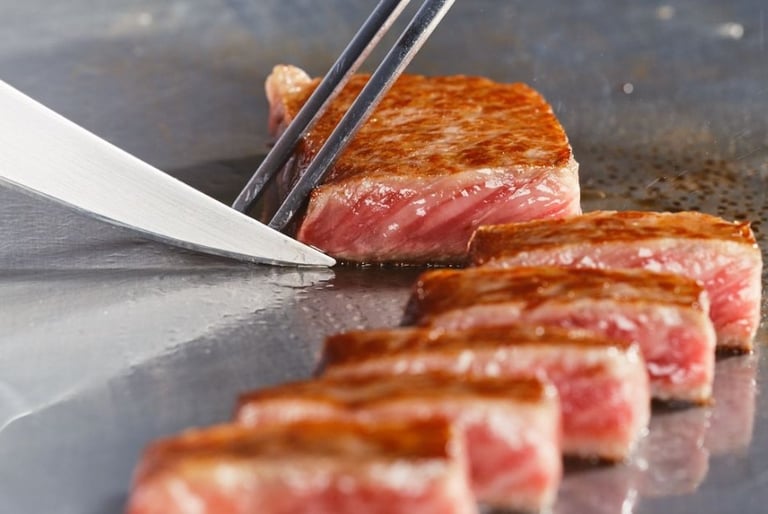
Saga Beef is widely regarded as one of Japan’s top wagyu brands, prized for its fine marbling, rich umami, and remarkably clean finish. Raised under strict standards, it rivals Kobe and Matsusaka beef but remains less internationally known — making it a highlight for discerning travellers.
It is enjoyed in many styles:
• Simply grilled or seared at specialist yakiniku and steak restaurants
• Served as sukiyaki or shabu-shabu in traditional ryokan
• Featured in kaiseki meals where quality takes centre stage
For many visitors, tasting Saga Beef becomes a standout culinary memory of Kyushu.
Karatsu
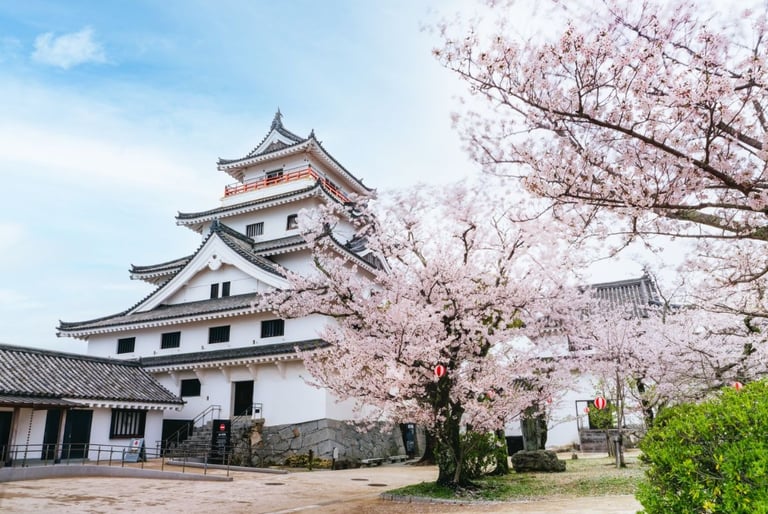
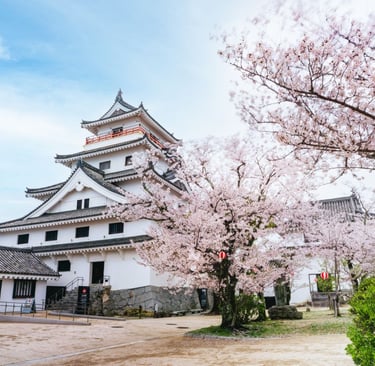
Karatsu is one of Saga’s most visually appealing destinations, combining coastal scenery, traditional streets, and a strong cultural identity shaped by the sea. Karatsu Castle, dramatically positioned above Karatsu Bay, offers panoramic views over the Genkai Sea and the surrounding coastline. The nearby old town retains a traditional feel, with merchant houses, shrines, and pottery workshops reflecting the area’s long maritime history.
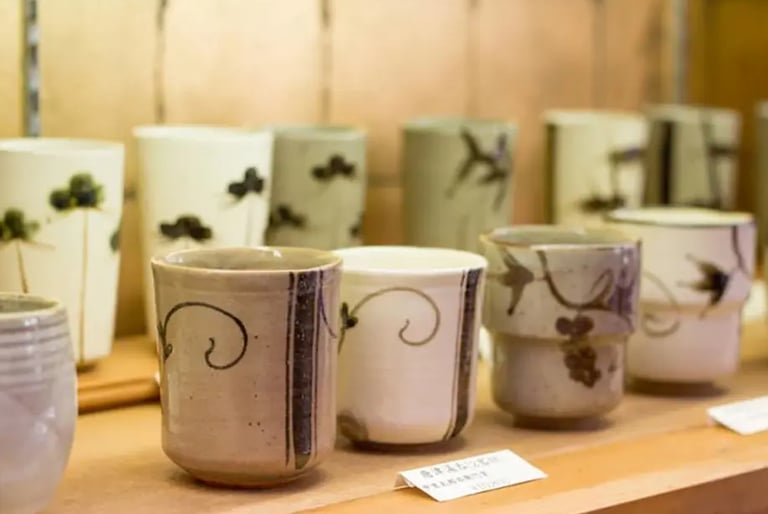
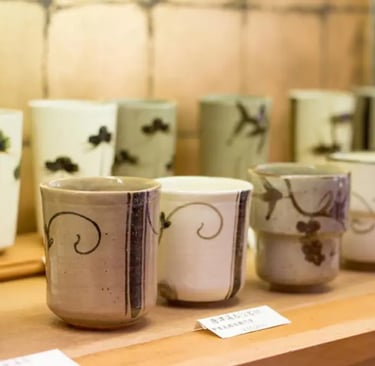
Karatsu is also closely associated with Karatsu-yaki, a rustic ceramic style prized for tea ceremony use. Visitors can explore galleries, kilns, and small museums while enjoying fresh seafood from local markets. With beaches, pine forests, and a relaxed coastal atmosphere, Karatsu appeals strongly to travellers seeking a balance of culture and nature.
🚄 1. From Tokyo to Saga
🚅 Shinkansen (Bullet Train) — Most Comfortable & Seamless
Route:
JR Tokaido & Sanyo Shinkansen
Tokyo Station → Hakata Station (Fukuoka), then JR Limited Express to Saga Station
Travel Time:
• Tokyo → Hakata: ~5 hours (Nozomi)
• Hakata → Saga: ~40 minutes
• Total: ~5 hr 45 min – 6 hrs
Frequency:
• Shinkansen departures every 10–20 minutes
• Limited Express trains to Saga run frequently throughout the day
Convenience:
Spacious seating, luggage storage, onboard amenities, and smooth transfers. Saga Station is centrally located and provides easy access to major destinations across the prefecture.
✨ Why travellers choose this:
A stress-free, city-centre-to-city-centre journey that allows travellers to relax, enjoy scenery, and arrive directly in Saga without airport transfers.
✈️ Plane — Fastest Overall Travel Time
Route:
Tokyo (Haneda or Narita) → Fukuoka Airport
Then subway to Hakata Station (~5 min), followed by JR Limited Express or local train to Saga
Flight Time:
• Tokyo → Fukuoka: ~1 hr 45 min
• Transfer to Saga: ~40–60 min
• Total: ~3.5–4 hrs (excluding check-in time)
Pros:
Ideal for travellers using airline points or connecting from international flights. Fukuoka Airport’s extremely close city access makes this one of Japan’s most efficient airport arrivals.
Cons:
Check-in, security, and boarding times may reduce time savings compared to the shinkansen.
🚄 2. From Osaka to Saga
🚅 Shinkansen — Fast & Reliable
Route:
JR Sanyo Shinkansen
Shin-Osaka → Hakata Station, then JR Limited Express to Saga
Travel Time:
• Shin-Osaka → Hakata: ~2 hr 30 min
• Hakata → Saga: ~40 min
• Total: ~3.5–4 hrs
Frequency:
Frequent departures throughout the day.
Booking Tip:
Reserved seating is recommended during peak seasons such as cherry blossom season, summer festivals, and autumn foliage periods.
✈️ Plane
Route:
Osaka (Kansai International or Itami Airport) → Fukuoka Airport
Then subway and train to Saga
Flight Time:
• Osaka → Fukuoka: ~1 hr 15 min
• Transfer to Saga: ~40–60 min
Best For:
Travellers already near Kansai Airport or combining Osaka and Kyushu in one trip.
🚆 Getting to Saga from Fukuoka
Saga is extremely well connected to Fukuoka City, making it perfect for day trips or overnight extensions.
JR Limited Express:
• Hakata → Saga: ~40 minutes
Local JR Trains:
• Hakata → Saga: ~50–60 minutes
Trains are frequent, comfortable, and affordable, with Saga Station serving as a convenient hub for onward travel to Karatsu, Arita, Imari, Takeo Onsen, and Ureshino Onsen.
🎟️ Rail Passes & Ticket Tips
JR Kyushu Rail Pass
• Unlimited JR travel across Kyushu
• Covers Saga, Fukuoka, Nagasaki, Kumamoto, Beppu, and Kagoshima
• Available in 3-day, 5-day, or 7-day options
• Excellent value for travellers exploring multiple prefectures
Japan Rail Pass (Nationwide)
• Covers shinkansen travel from Tokyo or Osaka to Hakata
• Includes JR trains throughout Kyushu
• Ideal for long, multi-city Japan itineraries
💡 Travel Tip:
Saga pairs perfectly with Fukuoka, offering a cultural, rural, and artisanal contrast just 40 minutes away. Many travellers stay in Fukuoka City for convenience while exploring Saga as a day trip, while others choose Saga’s onsen towns for slower, more immersive stays.


Saga Prefecture(佐賀県)
Kyushu’s Hidden Gem of Art, Nature, Hot Springs & Timeless Craft
Quietly tucked between Fukuoka and Nagasaki in north-western Kyushu, Saga Prefecture is one of Japan’s most rewarding destinations for travellers who want to go beyond the obvious. Uncrowded, authentic, and rich in story, Saga blends historic towns, world-class craftsmanship, soothing hot springs, seasonal landscapes, and cutting-edge art experiences in a way few regions can.
Saga is ideal for travellers seeking a slower, more intimate Japan — where you can meet local artisans, soak in historic onsen, wander castle towns without crowds, and discover contemporary art installations set within nature.
Often visited as an easy side trip from Fukuoka, Saga rewards those who stay longer with experiences that feel personal, immersive, and distinctly Kyushu.
Why Visit Saga?
• Fewer crowds than major cities, with deeply authentic experiences
• Home to Japan’s most famous porcelain towns
• Exceptional onsen culture in relaxed countryside settings
• Powerful history and archaeology dating back over 2,000 years
• One of Kyushu’s most exciting modern art destinations (teamLab)
• Outstanding regional cuisine using local produce, beef, and seafood
Saga is not about rushing — it’s about connecting.
Ceramics & Craft: The Soul of Saga
Saga is the birthplace of Japanese porcelain, and nowhere else in Japan offers such access to living ceramic traditions.
• Arita Ware – Refined, elegant porcelain developed in the 17th century
• Imari Ware – Bold, colourful export ceramics prized in Europe
• Nabeshima Ware – Exquisite pieces once produced exclusively for feudal lords
Visitors can explore kilns, museums, galleries, and hands-on workshops, making Saga one of Japan’s most rewarding destinations for art lovers and collectors.
Must-See Highlights in Saga Prefecture
• Saga Castle History Museum – One of Kyushu’s finest regional museums, showcasing the Nabeshima clan and Saga’s pivotal role in Japan’s modernisation within beautifully reconstructed castle buildings
• Yoshinogari Historical Park – Japan’s most important Yayoi-period archaeological site, offering immersive insight into ancient settlements, agriculture, and early governance
• Karatsu Castle – A striking coastal castle overlooking Karatsu Bay, combining panoramic sea views with samurai-era history
• Karatsu Old Town & Karatsu-yaki Pottery – Traditional streets and workshops celebrating Saga’s long-standing ceramic culture
Our Top Destinations in Saga
Saga City
The prefectural capital offers a relaxed introduction to Saga’s history and culture. Saga Castle History Museum is one of Kyushu’s finest historical museums, providing insight into samurai governance and regional identity. The city’s flat layout and calm atmosphere make it ideal for leisurely exploration.
Beyond the castle, Saga City features traditional neighbourhoods, riverside walks, and local restaurants showcasing seasonal Saga produce. It is an ideal base for travellers interested in history, culture, and an authentic regional city experience without crowds.
Arita
Arita holds a unique place in Japanese history as the birthplace of Japanese porcelain. It was here in the early 17th century that porcelain production began, eventually transforming Japan’s global trade and artistic reputation. Today, Arita remains a living ceramics town, where workshops, galleries, and family-run kilns continue traditions passed down through generations.
Visitors can explore the Arita Porcelain Park, stroll along the historic kiln areas, and visit contemporary studios that blend tradition with modern design. The town is especially appealing to travellers interested in craftsmanship, design, and cultural heritage, offering meaningful encounters rather than surface-level sightseeing.
Saga Through the Four Seasons
Winter (Dec–Feb)
Winter in Saga is calm, understated, and deeply appealing for travellers seeking comfort and authenticity. Temperatures are cool rather than severe, allowing for relaxed exploration of castle towns, coastal villages, and historic streets. Onsen destinations such as Takeo Onsen and Ureshino Onsen are at their best during this season, offering soothing baths, refined ryokan stays, and cuisine centred on premium local ingredients, including Saga Beef. With fewer visitors, winter allows for a slower, more intimate experience of the prefecture.
Spring (Mar–May)
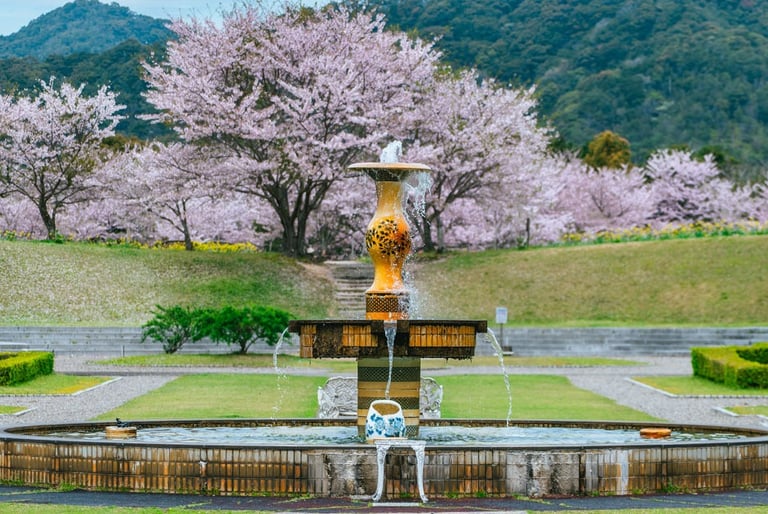
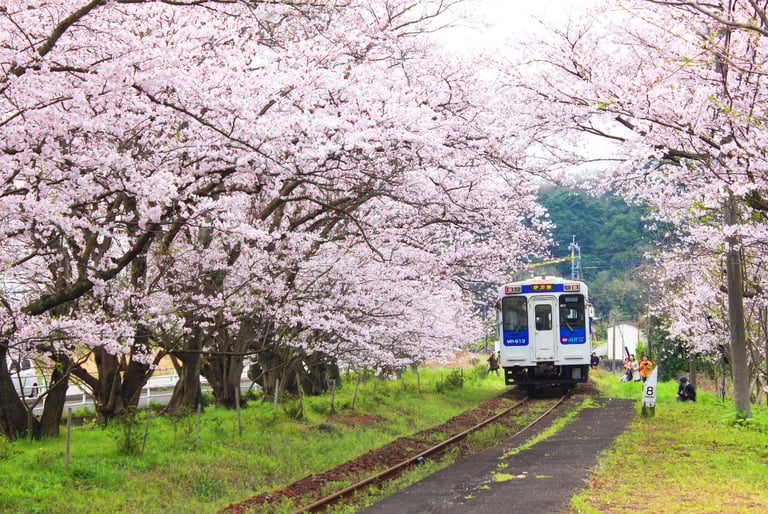
Spring is one of the most rewarding times to visit Saga, as the prefecture emerges from winter with soft colours and comfortable temperatures. Cherry blossoms bloom around historic sites such as Karatsu Castle and Saga Castle, while riverside paths and rural towns take on a gentle, festive atmosphere. Pottery centres like Arita and Imari feel especially lively during this season, with galleries, kilns, and workshops welcoming visitors interested in Japan’s ceramic heritage. Spring in Saga is ideal for travellers who enjoy walking historic streets, cultural discovery, and seasonal cuisine without the crowds found in larger cities.
Summer (Jun–Aug)
Summer brings lush greenery and a relaxed, local rhythm to Saga. Coastal areas such as Karatsu benefit from cooling sea breezes, making seaside strolls and evening dining particularly enjoyable. Inland, forests and mountains provide a refreshing contrast to the heat, while seasonal festivals offer insight into regional traditions. A highlight of summer is the teamLab digital art installations in Takeo, where technology and nature merge after dark to create immersive, dreamlike experiences. Even during warmer months, Saga’s onsen towns and slower pace allow travellers to explore comfortably.
Autumn (Sep–Nov)
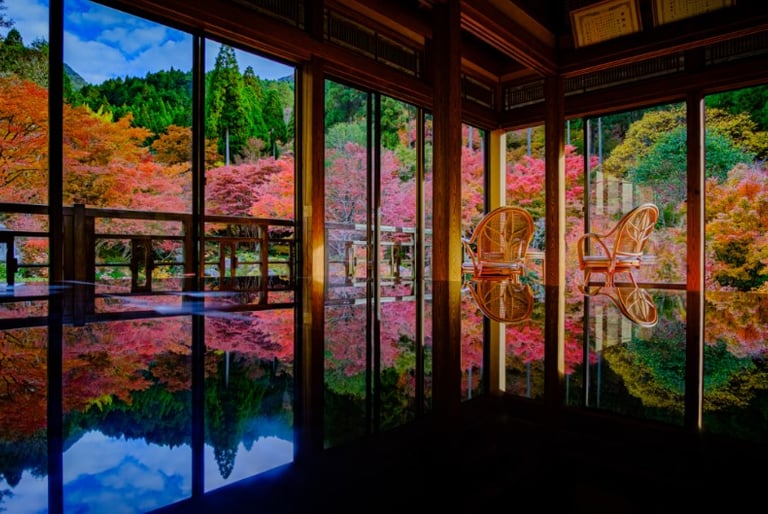
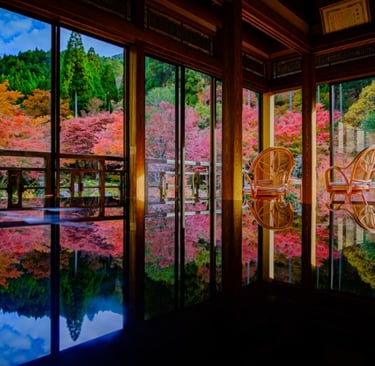
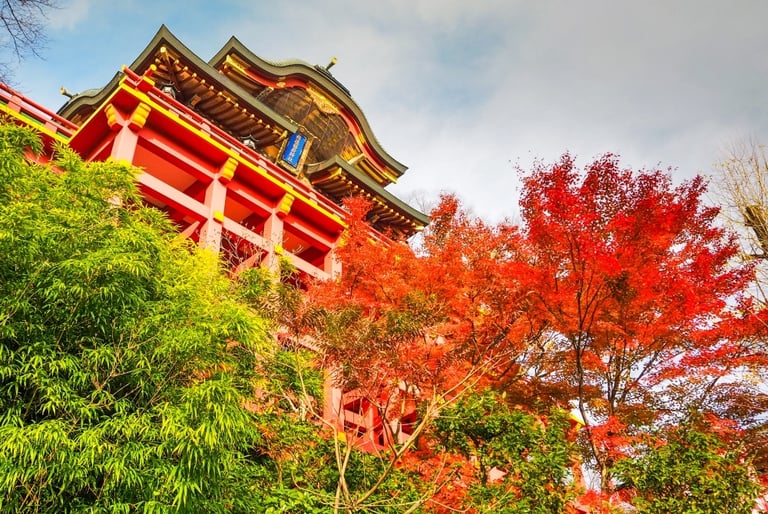
Autumn is widely regarded as Saga’s most beautiful season. Cooler air and clear skies create ideal conditions for sightseeing, while gardens and mountain landscapes transform with deep reds, golds, and oranges. Mifuneyama Rakuen becomes a focal point during this time, drawing visitors for its dramatic foliage and seasonal illuminations. Autumn is also a peak period for regional food, with fresh seafood, new rice, and local vegetables featured prominently in menus across the prefecture. For photographers and culturally minded travellers, autumn offers Saga at its most atmospheric.
Accessing Saga
Imari
Closely connected to Arita, Imari was historically the export port for Japanese porcelain, shipping exquisite ceramics to Europe via Nagasaki during the Edo period. This legacy gives Imari a distinct international flavour, with historic streets, port areas, and museums telling the story of Japan’s early global connections.
Today, Imari combines quiet riverside scenery with ceramic culture and regional cuisine. It is an excellent destination for travellers interested in history, trade routes, and the broader story behind Japan’s artistic exports
Takeo Onsen & Mifuneyama Area
Takeo Onsen is one of Saga’s most historic hot spring towns, welcoming travellers for over 1,300 years. The town’s symbol is its striking vermilion romon gate, leading to traditional bathhouses that blend Meiji-era architecture with modern comfort. Takeo offers an elegant yet relaxed onsen experience, well suited to travellers new to hot springs.
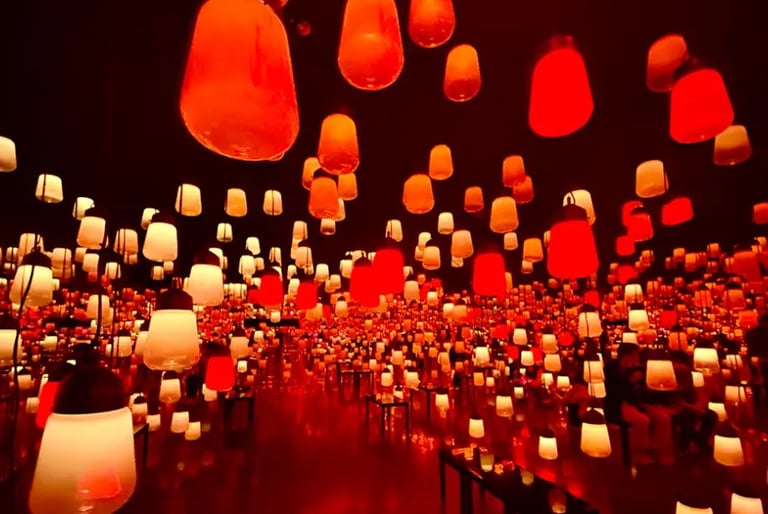
Nearby, Mifuneyama Rakuen adds a dramatic natural element to the area. This former daimyo garden is especially famous for seasonal displays, from spring greenery to autumn foliage and winter illuminations. The area is also home to teamLab’s immersive digital art installations, where cutting-edge technology blends seamlessly with forest landscapes, creating one of Kyushu’s most memorable night-time experiences
Photos and Images are credited to their respective owners
© Japan National Tourism Organization (JNTO).
© Saga Prefectural Tourism Federation. (asobo-saga.jp)
© teamLab
© Visit Kyushu Official Website.

Ureshino Onsen
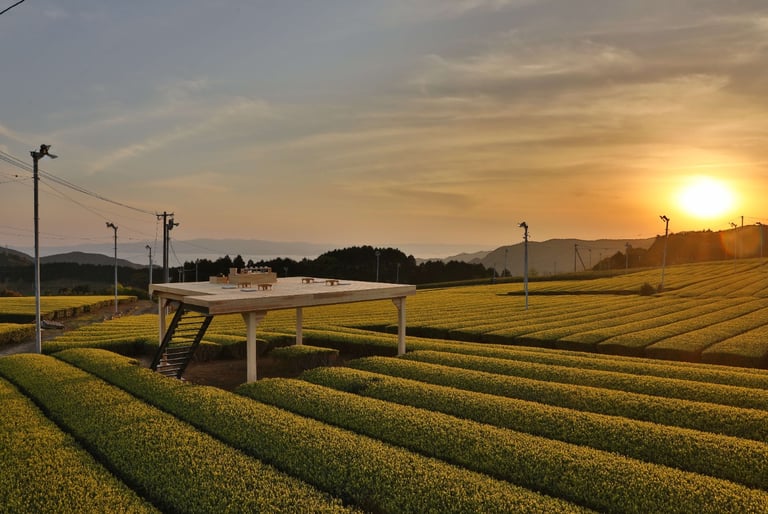
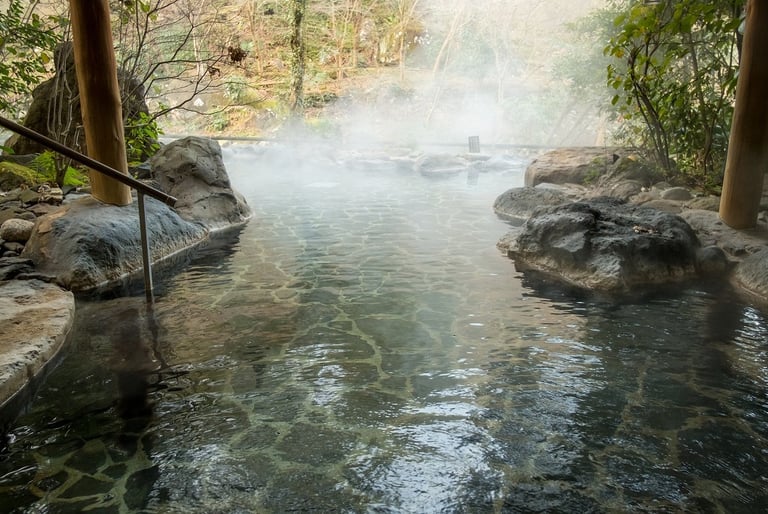
Ureshino is renowned throughout Japan for its silky, skin-softening hot spring waters, often referred to as “beauty onsen.” The town has a refined ryokan culture, with elegant inns focusing on hospitality, seasonal cuisine, and relaxation. Ureshino is also one of Japan’s most important tea-producing regions, and tea culture is woven throughout the town’s identity.
Visitors can enjoy tea-infused cuisine, traditional sweets, and peaceful riverside walks, making Ureshino particularly appealing to couples and travellers seeking rest, wellness, and understated luxury.
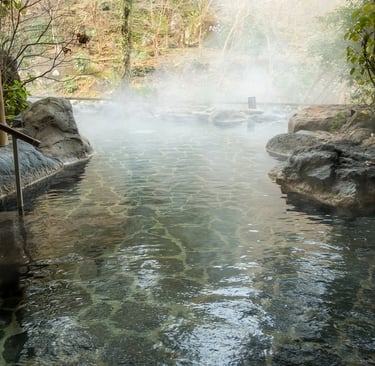
• Takeo Onsen – Historic hot spring town with elegant ryokan and the iconic vermilion romon gate, blending tradition and relaxation
• Mifuneyama Rakuen & teamLab – Former daimyo garden famous for seasonal scenery and immersive digital art installations integrated into forest landscapes
• Ureshino Onsen – Renowned “beauty onsen” town celebrated for its silky hot spring waters, refined ryokan culture, and tea heritage
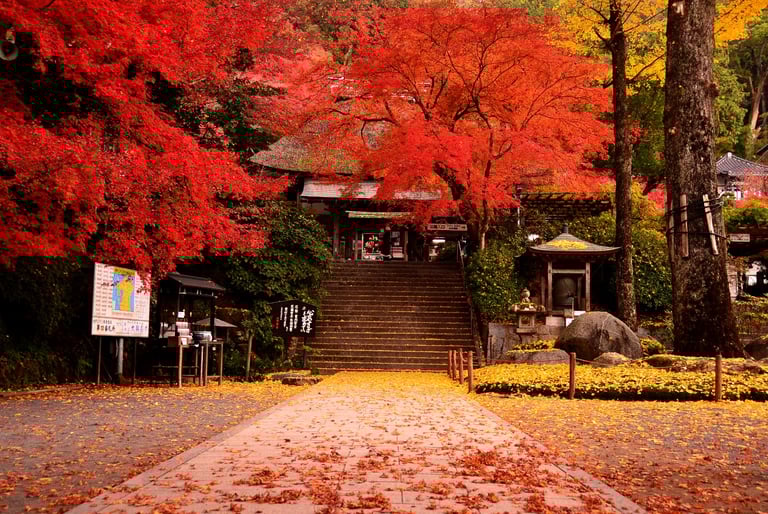
• Daikozen-ji Temple – An ancient temple often referred to as the “Ajisai Temple,” famous for seasonal hydrangeas, autumn foliage, and serene mountain surroundings
• Ogi Park – A beloved local park centred around a scenic pond, known for cherry blossoms in spring and a relaxed, community atmosphere
• Yutoku Inari Shrine – One of Japan’s three great Inari shrines, dramatically built on stilts above the hillside and surrounded by thousands of vermilion torii gates
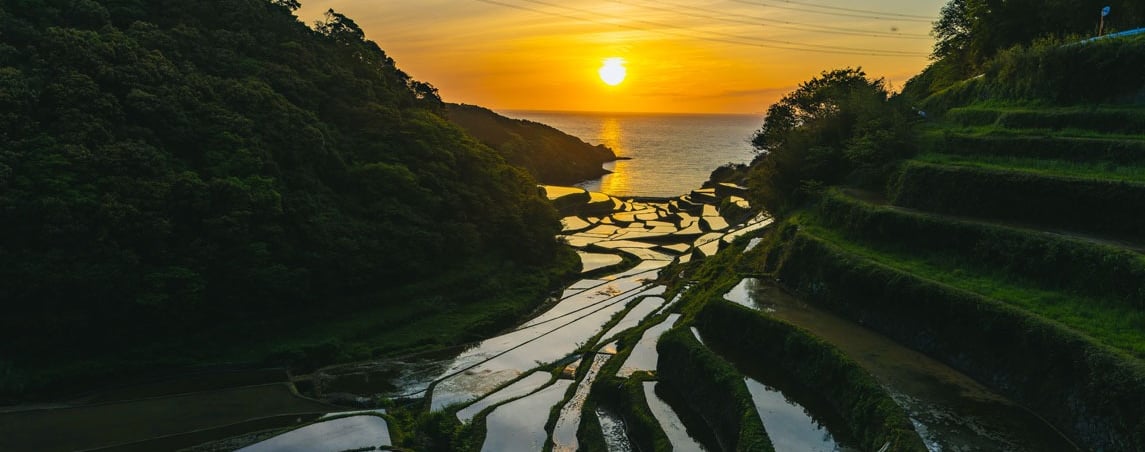
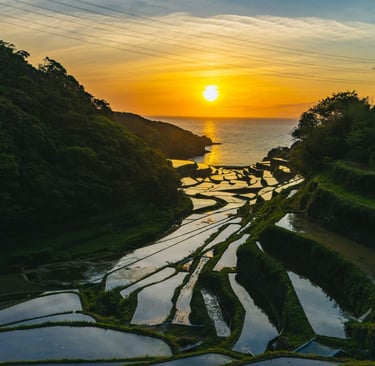
• Hamanoura Terraced Rice Fields – Iconic seaside rice terraces cascading toward the Genkai Sea, especially stunning at sunset and during planting and harvest seasons
• Sueyama Shrine – A quiet, atmospheric shrine set deep in the forest, known for its spiritual ambience and connection to local folklore
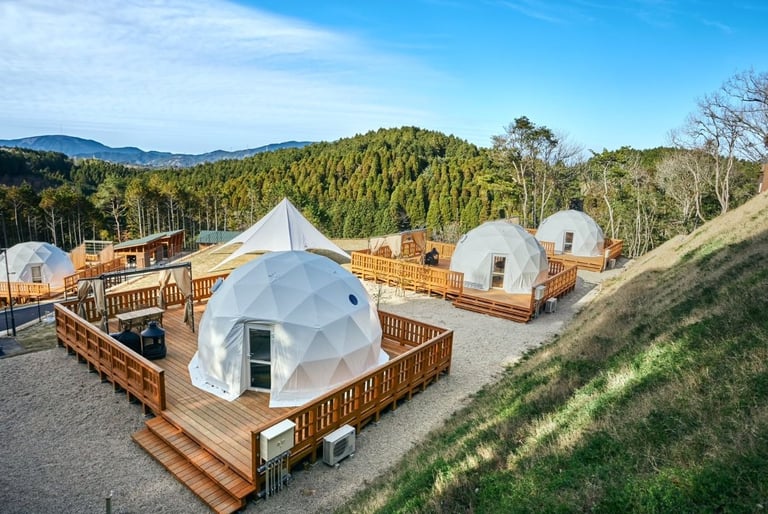
• Kankyo Geijutsu no Mori (Environmental Art Forest) – A striking open-air art space where contemporary installations are set among forests and mountains, offering a unique fusion of nature and creativity.
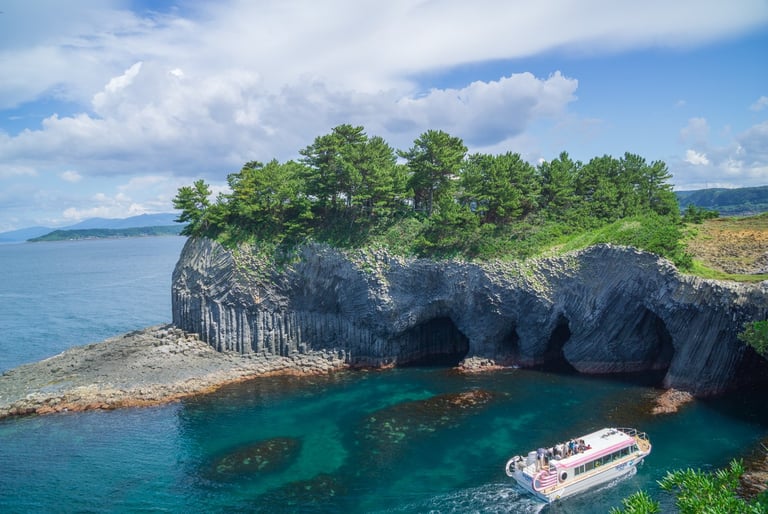
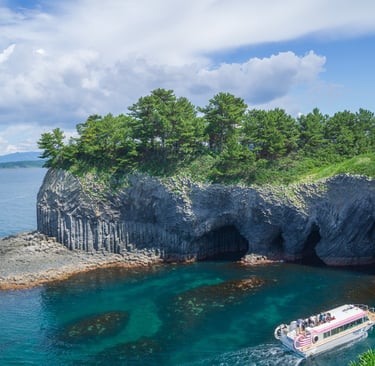
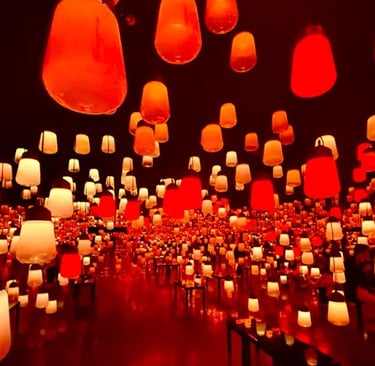
• Iroha Islands – A scenic archipelago of over 40 small islands scattered across Karatsu Bay, offering beautiful coastal views, boat cruises, and sunset photography
• Arita – Birthplace of Japanese porcelain, featuring historic kilns, galleries, museums, and contemporary ceramic studios
• Imari – Historic porcelain export port with preserved streets and museums highlighting Saga’s early global trade connections
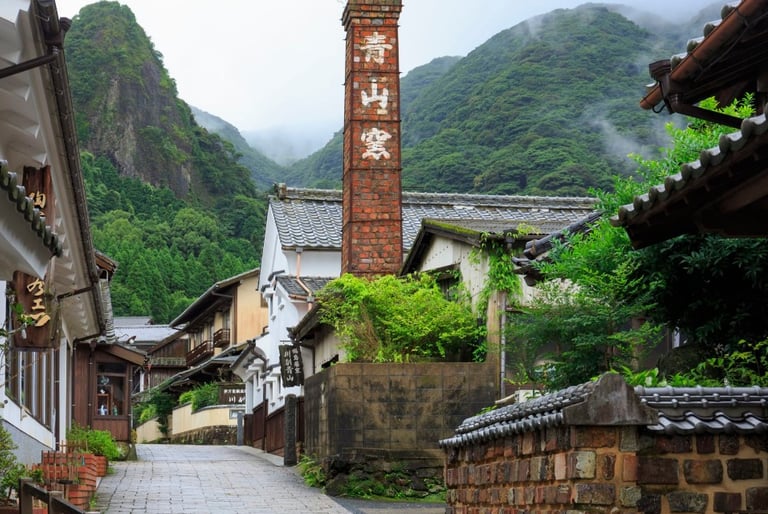
• Okawachiyama (Nabeshima Clan Kiln Village) – A secluded mountain village once reserved for feudal porcelain production, known for its tranquil beauty and refined ceramics
Seafood from Two Seas
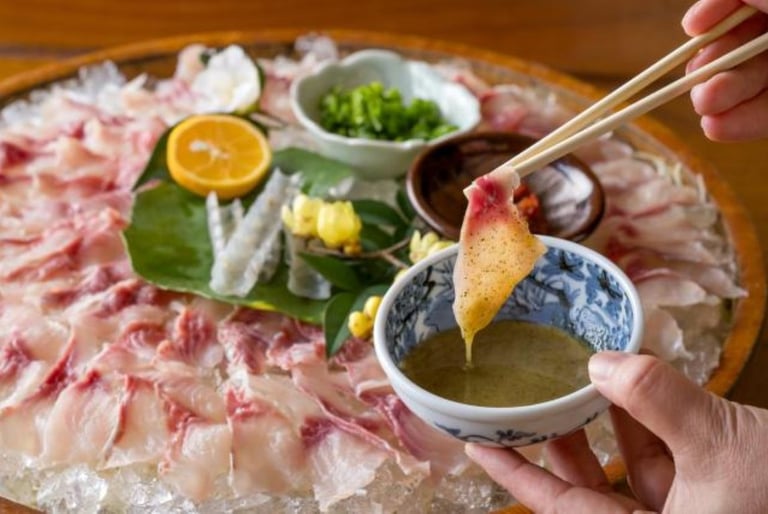
Saga benefits from access to two contrasting marine environments, giving it one of Kyushu’s most diverse seafood offerings.
• Ariake Sea – Famous for its tidal flats, producing sea bream, mudskippers, clams, and nori seaweed
• Genkai Sea – Delivers squid, mackerel, yellowtail, and seasonal white fish
Fresh squid sashimi, grilled seafood, and delicately prepared fish dishes are common in coastal towns like Karatsu, where maritime culture shapes daily life.
Ureshino Tea (嬉野茶)
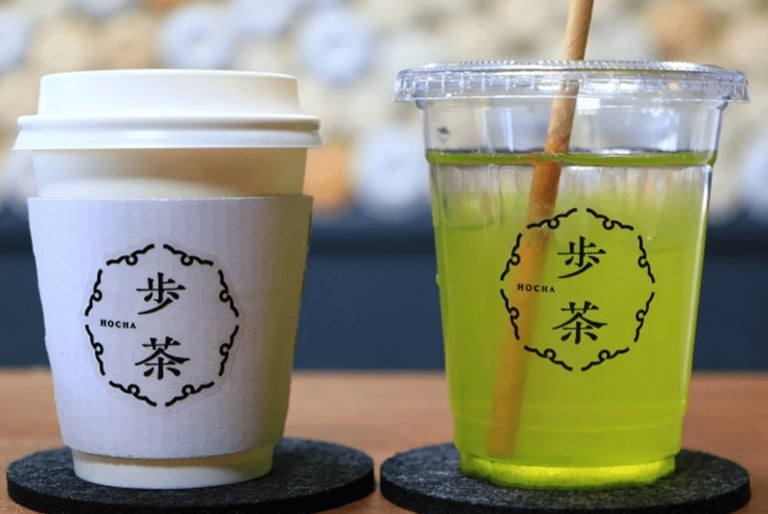
Ureshino is one of Kyushu’s most historic tea-growing regions. Its tea is known for a gentle sweetness and low astringency, making it exceptionally smooth and easy to drink.
Travellers can enjoy:
• Tea tastings at local producers
• Tea-infused sweets and desserts
• Tea served alongside traditional meals and ryokan breakfasts
Ureshino tea culture pairs naturally with onsen stays, reinforcing Saga’s calm, restorative atmosphere
Arita & Imari Ceramic Dining Culture
Saga’s food culture is inseparable from its ceramics. Meals are often served on beautifully crafted Arita and Imari porcelain, enhancing both presentation and dining experience — a hallmark of local hospitality.
Learn more about Saga Prefecture!
Visit the Official Saga Tourism Website
www.asobo-saga.jp
Get in Touch
Go Japan provides travel consultancy services and connects clients with licensed Japanese travel operators.
© 2026 Go Japan. All Rights Reserved.
Photos, images and brand logos are credited to their respective owners.