
Hokkaido
Hokkaido (北海道)
Japan’s Wild North of Snow, Nature & Seasonal Beauty
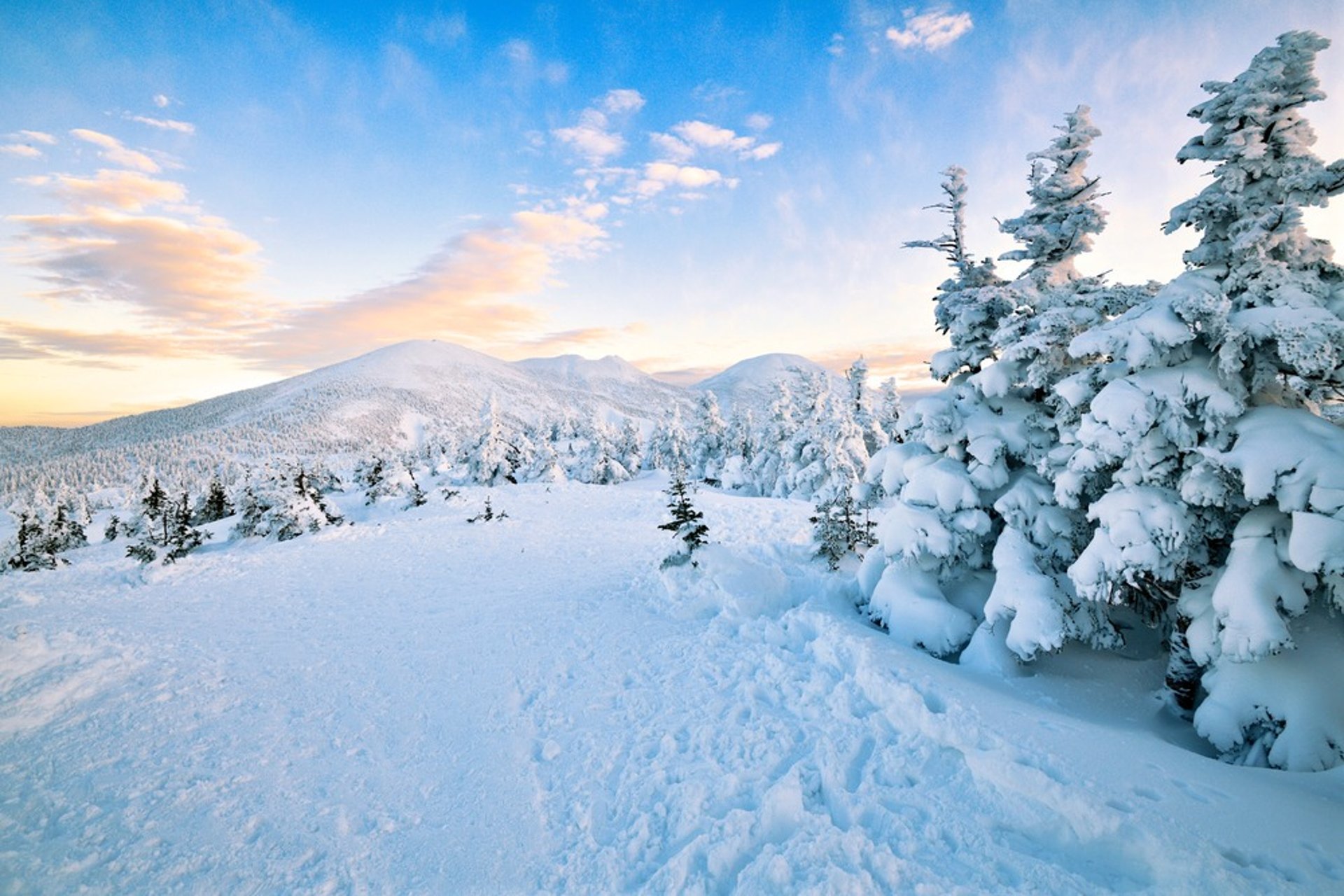
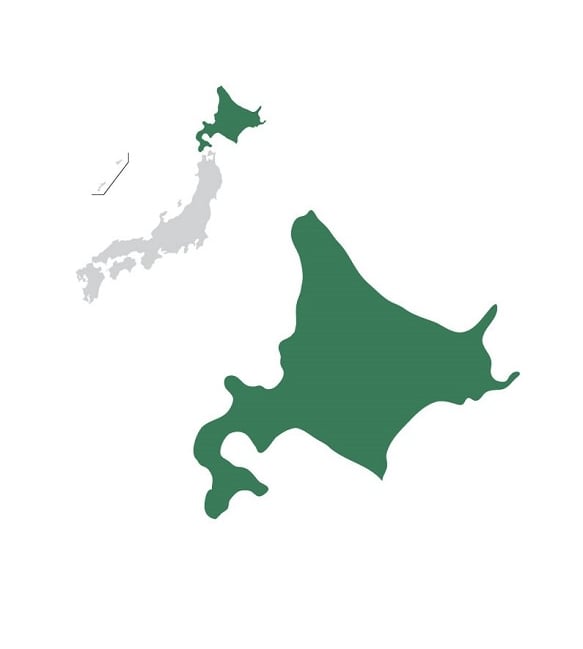
Stretching across Japan’s northern frontier, Hokkaido offers a landscape of dramatic contrasts—vast national parks, volcanic mountains, pristine lakes, and wide-open countryside. As Japan’s second-largest island, it feels refreshingly different from the rest of the country, where nature takes centre stage and the pace of life slows to match its expansive surroundings.
Renowned for its world-class powder snow, vibrant seasonal beauty, and exceptional food culture, Hokkaido is a destination that captivates in every season. From snow-covered forests and ski resorts in winter to flower-filled fields and cool summer escapes, the island provides a year-round retreat into nature. With a rich cultural heritage, including the traditions of the indigenous Ainu people, Hokkaido offers travellers a deeper and more immersive experience of Japan beyond the major cities.
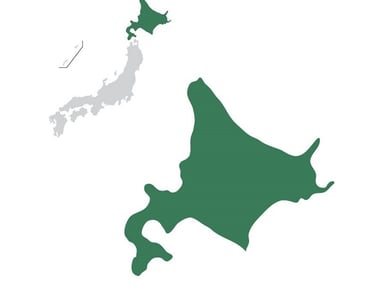
Regions of Hokkaido
Central Hokkaido (道央) – Sapporo, Otaru & Surrounds
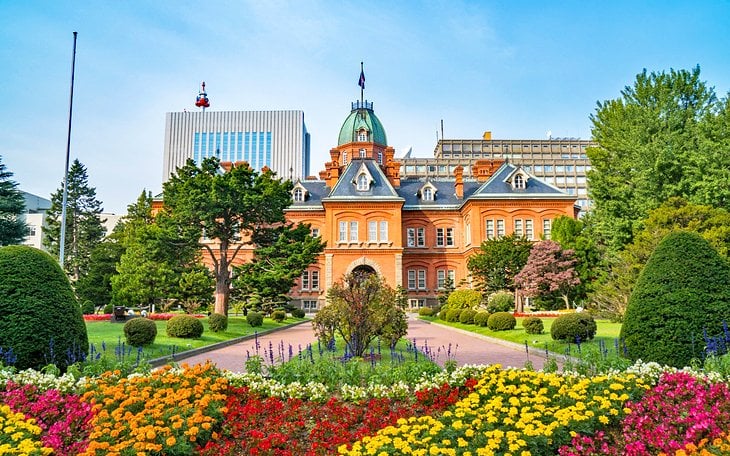
Central Hokkaido is the heart of the island, combining vibrant city life with easy access to nature, hot springs, and coastal towns.
Sapporo City:
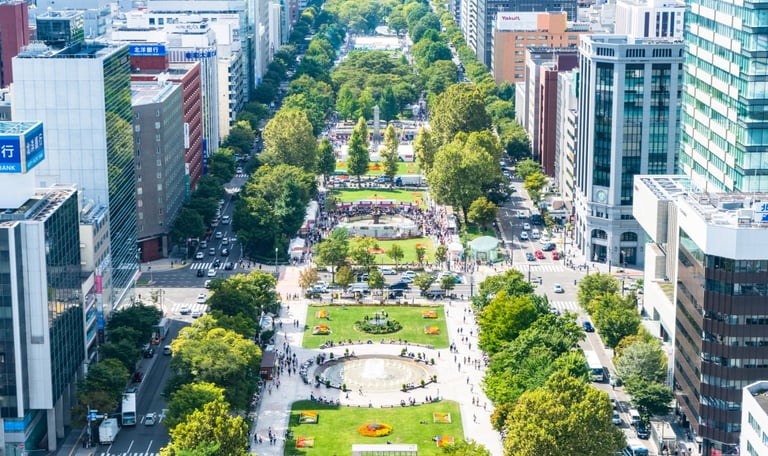
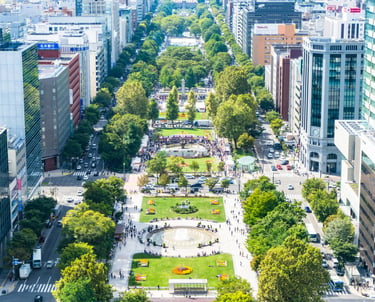
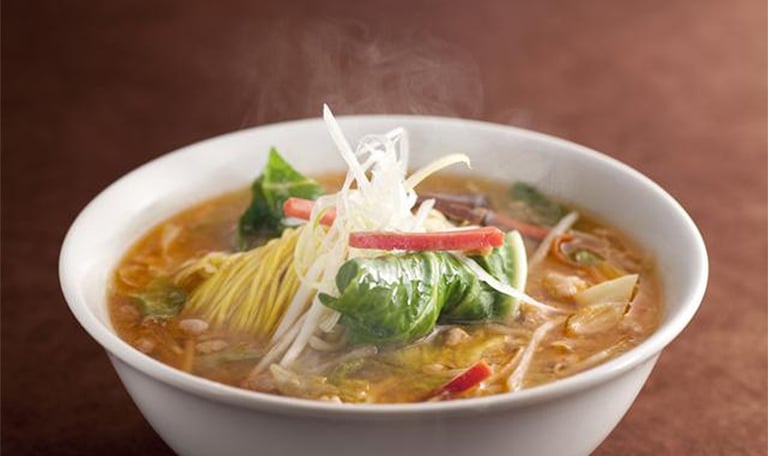
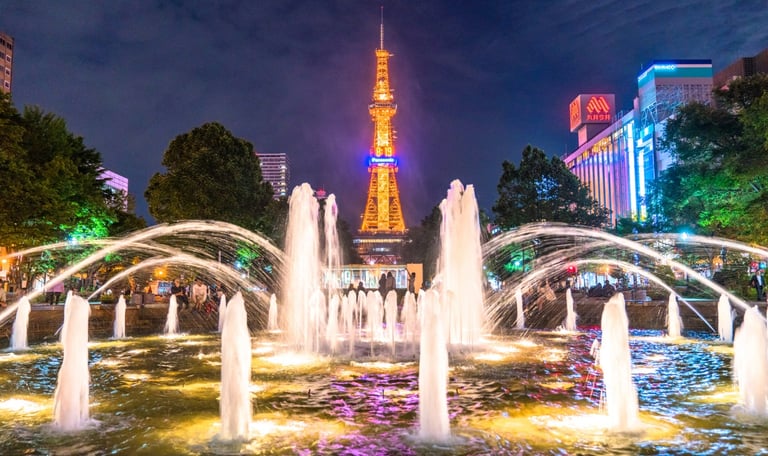
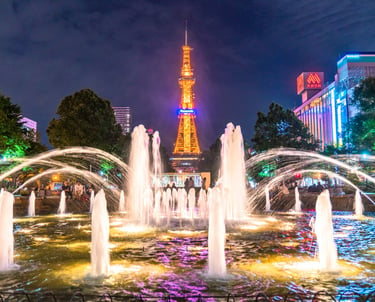
The capital of Hokkaido, Sapporo is known for its wide boulevards, seasonal festivals, and exceptional food scene. Odori Park forms the city’s centre, hosting events such as the famous Snow Festival, while Susukino offers lively nightlife. Sapporo is also the birthplace of miso ramen and home to the iconic Sapporo Beer.
Otaru:
A charming harbour town just outside Sapporo, Otaru is famous for its historic canal, glass workshops, and fresh seafood. The preserved warehouses and lantern-lit streets create a nostalgic atmosphere, especially during winter.
Noboribetsu & Lake Toya:
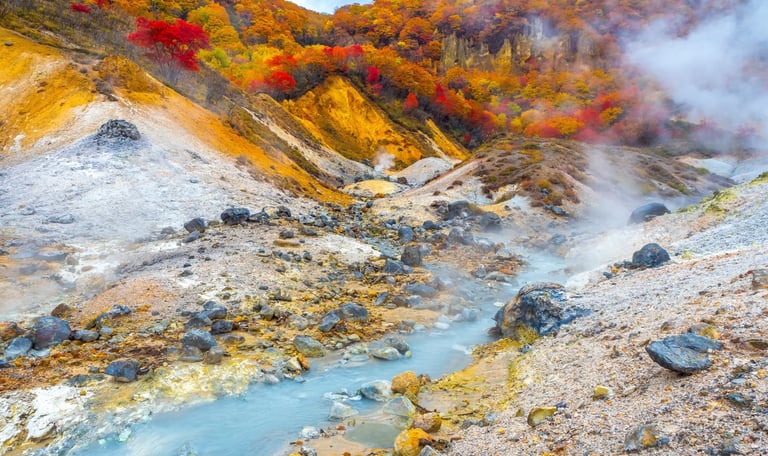
This region is renowned for its volcanic landscapes and hot spring resorts. Noboribetsu’s Jigokudani (“Hell Valley”) features steaming vents and mineral-rich waters, while Lake Toya offers scenic beauty with a calm caldera lake surrounded by mountains.
Food & Culture:
Central Hokkaido is a culinary hub, offering fresh seafood, dairy products, and local specialties. Markets, breweries, and regional dining experiences provide insight into the island’s rich food culture.
Western Hokkaido (道西) – Niseko & Coastal Landscapes
Western Hokkaido is internationally recognised for its ski resorts and dramatic coastal scenery.
Niseko:
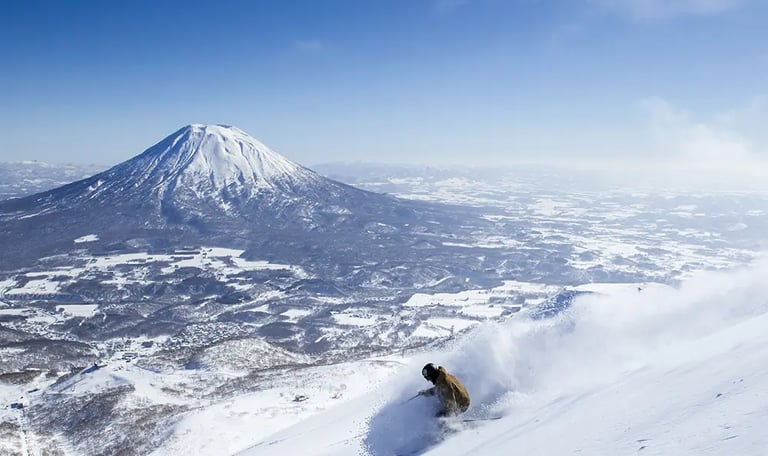
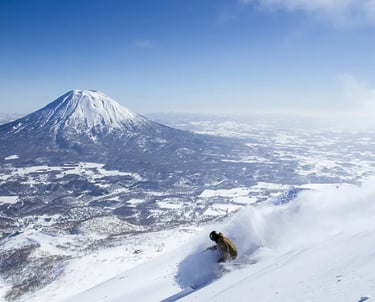
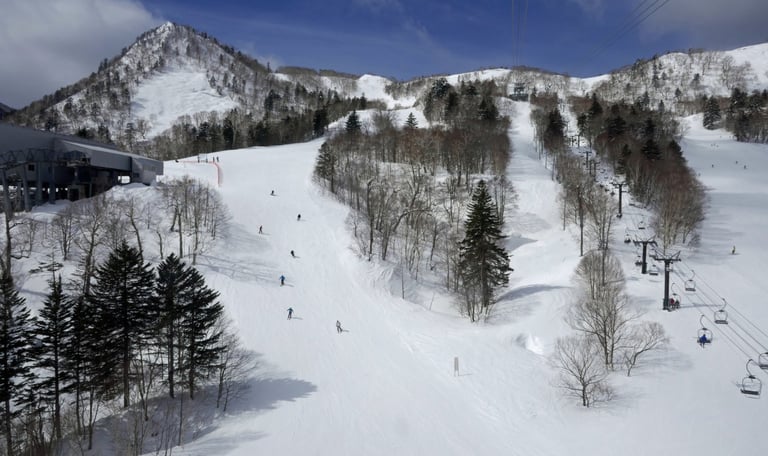
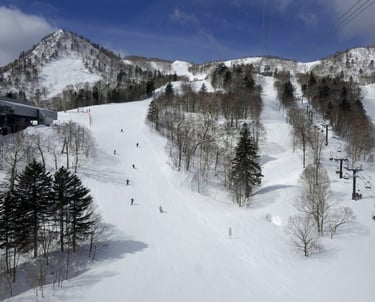
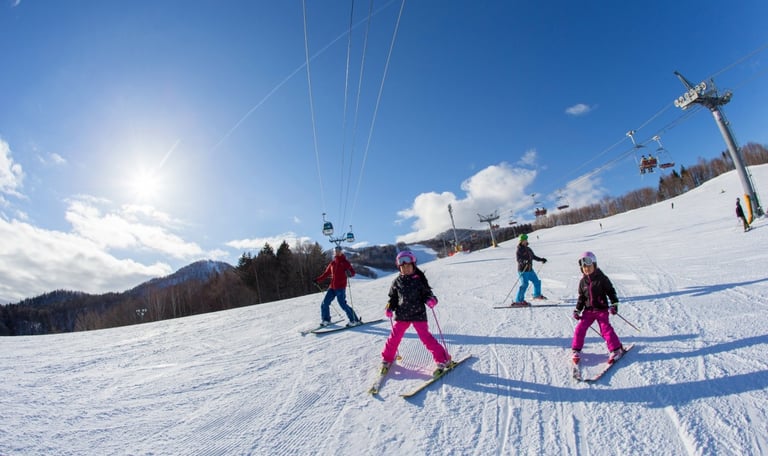
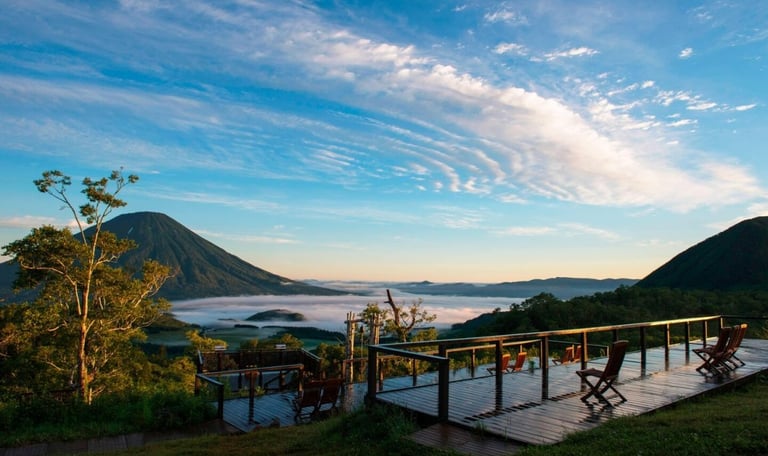
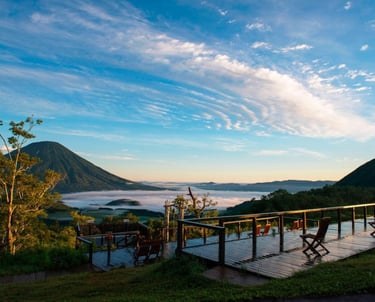
One of the world’s premier ski destinations, Niseko is famous for its deep, light powder snow and stunning views of Mount Yotei. The area offers a mix of luxury accommodation, international dining, and vibrant après-ski culture.
Niseko also offers a range of experiences beyond skiing, including guided backcountry tours, snowshoeing, snowmobiling, and night skiing across illuminated slopes. Its seamless accessibility from New Chitose Airport, combined with English-friendly services and infrastructure, makes it one of the most convenient and internationally welcoming alpine destinations in Japan.
Rusutsu:
A quieter alternative to Niseko, Rusutsu offers excellent ski conditions, wide-open runs, and a more relaxed atmosphere. Beyond winter, Rusutsu transforms into a year-round resort destination, home to one of Japan’s largest amusement parks featuring roller coasters, seasonal attractions, and family-friendly entertainment—making it especially appealing for travellers visiting outside of ski season or with children.
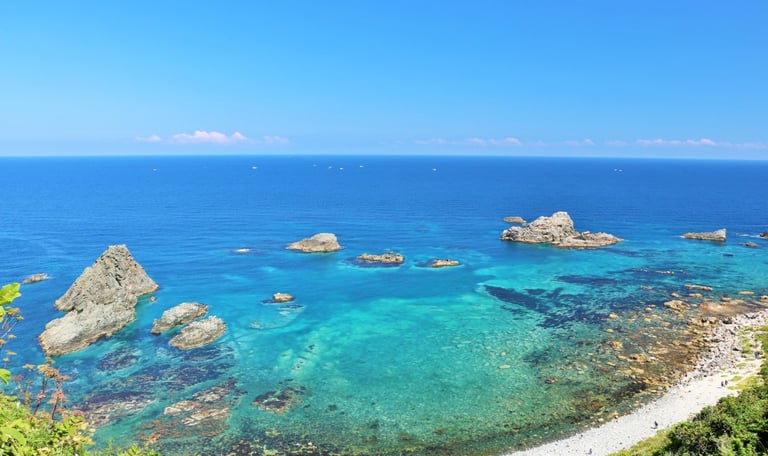
Shakotan Peninsula:
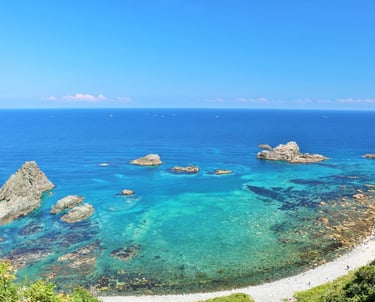
In the warmer months, the coastline transforms into a spectacular landscape of rugged cliffs and crystal-clear “Shakotan Blue” waters, perfect for scenic drives and coastal exploration.
Outdoor Experiences:
Beyond skiing, the region offers hiking, cycling, and nature-based experiences, making it a year-round destination.
Northern Hokkaido (道北) – Furano, Biei & Daisetsuzan
Northern Hokkaido is known for its breathtaking seasonal landscapes and wide-open countryside.
Furano & Biei:
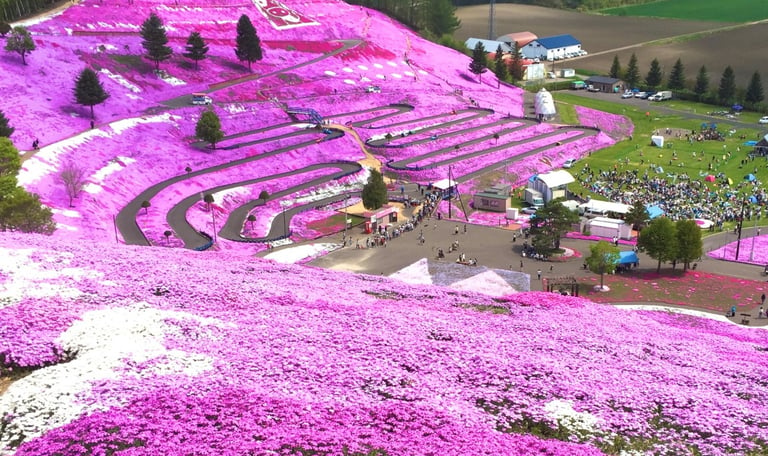
These regions are famous for their rolling hills and colourful flower fields, particularly the lavender blooms of summer. Scenic drives and cycling routes reveal ever-changing landscapes that feel almost painterly.
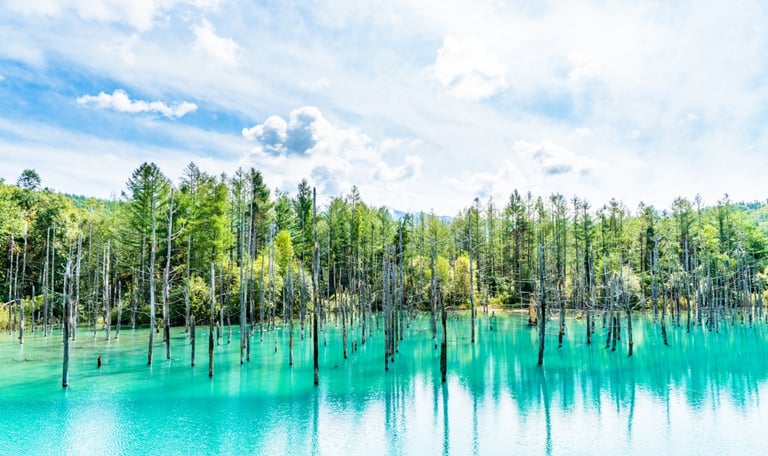
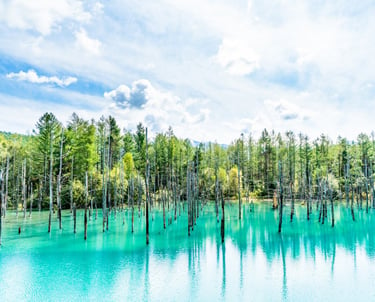
Shirogane Blue Pond:
One of Hokkaido’s most iconic sights, this surreal blue-toned pond is surrounded by forests and offers a unique photographic experience.
Daisetsuzan National Park:
Japan’s largest national park, Daisetsuzan is a haven for hikers and nature lovers. With volcanic peaks, alpine flora, and untouched wilderness, it offers some of the most dramatic landscapes in the country.
Seasonal Beauty:
This region is particularly known for early autumn foliage and mild summer temperatures, making it a favourite escape from Japan’s heat.
Southern Hokkaido (道南) – Hakodate & Historic Charm
Southern Hokkaido blends history, coastal scenery, and cultural influences from Japan’s early international trade.
Hakodate City:
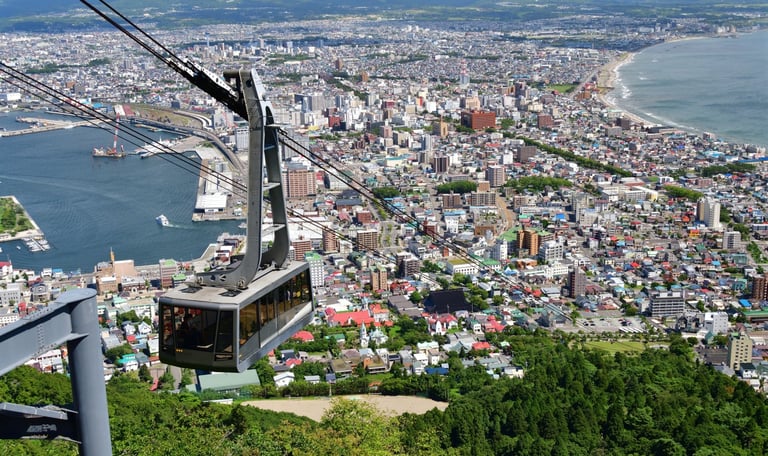
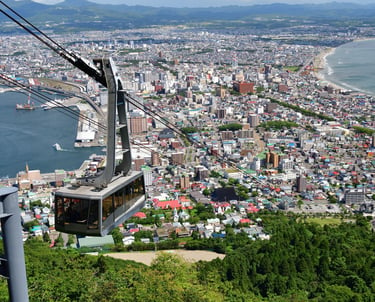
One of Japan’s first ports to open to international trade, Hakodate offers a unique mix of Japanese and Western architecture. The night view from Mount Hakodate is considered one of the best in Japan.
Goryokaku Fort:
A star-shaped fort surrounded by moats, Goryokaku is especially beautiful during cherry blossom season.
Morning Markets:
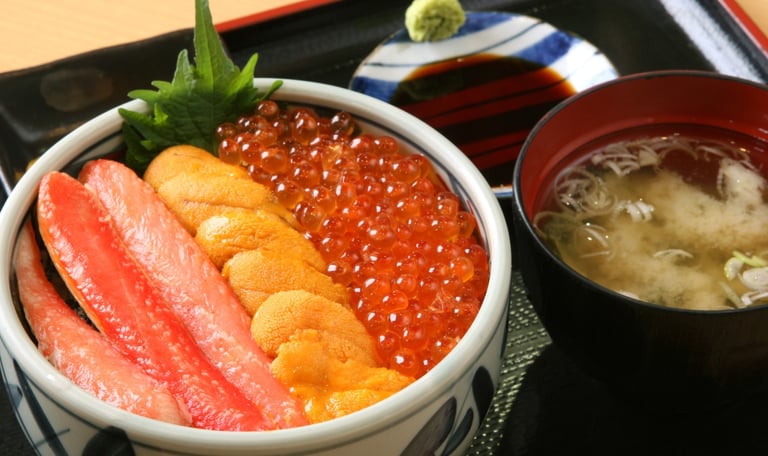
Hakodate is famous for its fresh seafood, with lively morning markets offering everything from crab to sea urchin.
Cultural Atmosphere:
Historic districts, churches, and preserved buildings create a distinct atmosphere that sets Hakodate apart from other Japanese cities.
Eastern Hokkaido (道東) –
Shiretoko, Kushiro & Untouched Nature
Eastern Hokkaido is the island’s most remote and untouched region, offering incredible wildlife and pristine landscapes.
Shiretoko National Park:
A UNESCO World Heritage site, Shiretoko is one of Japan’s most unspoiled regions. Visitors can encounter wildlife such as deer, foxes, and even brown bears, while exploring rugged coastlines and waterfalls.
Kushiro Marsh:
Japan’s largest wetland area, Kushiro Marsh is home to the rare red-crowned crane. Boardwalks and observation decks provide access to this unique ecosystem.
Lake Akan & Ainu Culture:
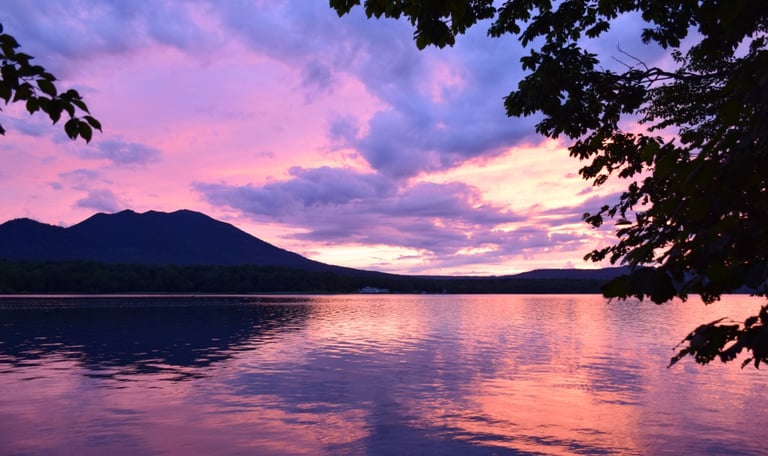
This area is a centre for Ainu heritage, where visitors can learn about traditional crafts, performances, and history while enjoying the beauty of crater lakes and forests.
Seasonal Highlights:
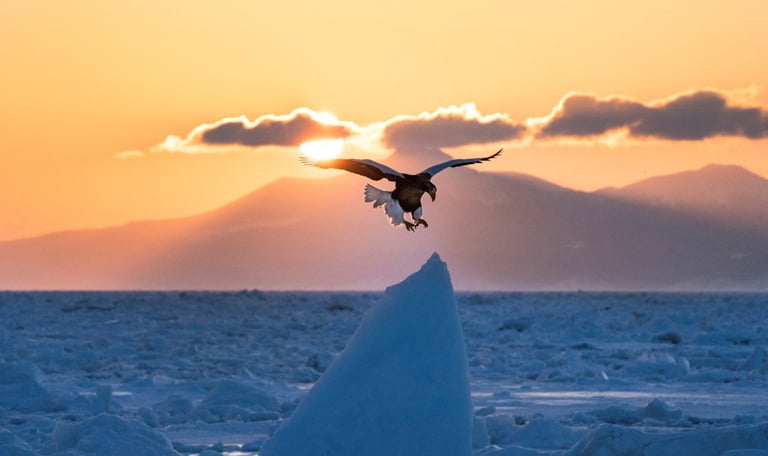
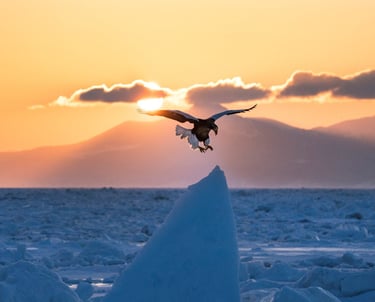
In winter, drift ice along the coast creates a dramatic natural phenomenon, while summer offers hiking, canoeing, and wildlife experiences.
Highlights & Experiences in Hokkaido
Witness giant snow sculptures at the Sapporo Snow Festival.
Ski or snowboard world-class powder in Niseko and Furano.
Photograph Furano’s lavender fields and Biei’s flower hills.
Visit Shiretoko Peninsula for wildlife and drift ice.
See red-crowned cranes in Kushiro marshlands.
Taste fresh seafood at Hakodate’s morning market.
Food & Culinary Specialties
Hokkaido is one of Japan’s premier culinary destinations, known for its fresh produce, high-quality dairy, and exceptional seafood. Its cooler climate and fertile land contribute to rich flavours and hearty regional dishes.
Local Specialties
Sapporo Miso Ramen
A signature dish of Hokkaido, featuring rich miso-based broth, thick noodles, and toppings such as roasted pork, butter, corn, and green onions. Warm, hearty, and deeply satisfying—perfect for colder climates.
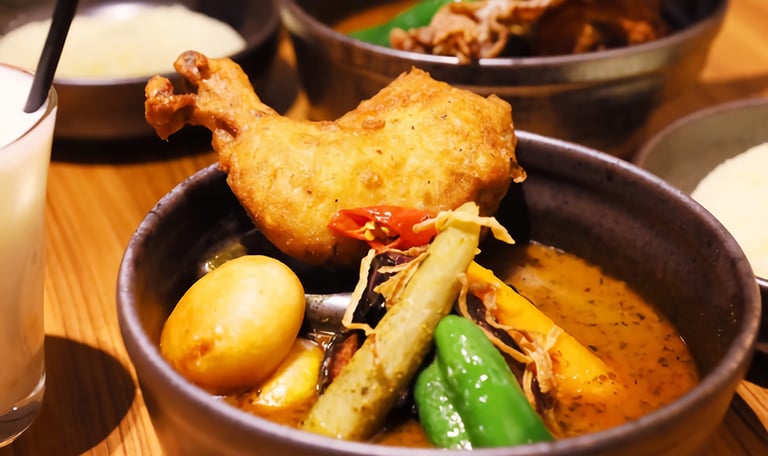
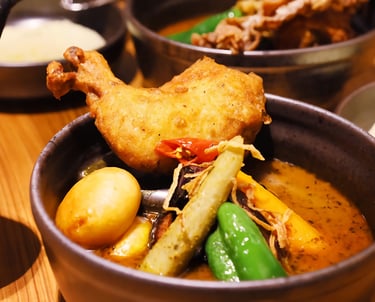
Soup Curry
A unique Hokkaido creation, soup curry is a lighter, spiced broth served with vegetables, rice, and meats such as chicken or pork. Each restaurant offers its own variation, making it a must-try local experience.
Jingisukan (Genghis Khan BBQ)
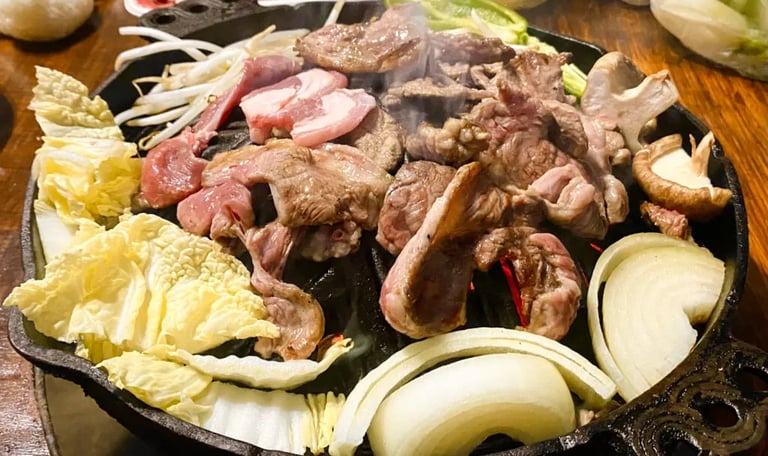
A grilled lamb dish cooked at the table on a dome-shaped grill, often served with vegetables. Named after Genghis Khan, it reflects Hokkaido’s pastoral heritage and is a popular social dining experience.
Seafood & Fresh Produce
Hokkaido’s surrounding seas provide an abundance of premium seafood, including crab, sea urchin (uni), scallops, salmon, and squid. Seafood markets such as those in Sapporo and Hakodate offer fresh sashimi and donburi bowls.
The region is also famous for dairy products—milk, cheese, butter, and soft-serve ice cream—along with fresh vegetables like potatoes, corn, and asparagus.
Sweets & Local Treats
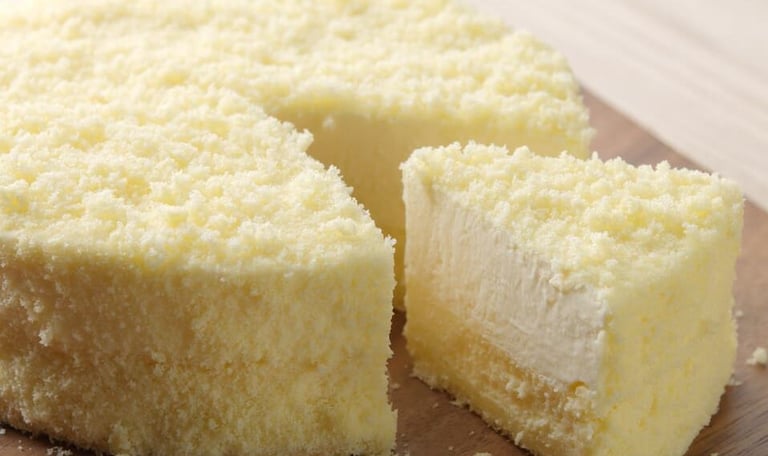
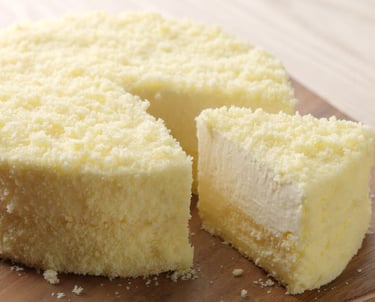
Hokkaido is known for its desserts, including creamy soft-serve ice cream, cheesecakes, and chocolate. Popular regional sweets include Shiroi Koibito cookies and fresh dairy-based pastries found across the island.
Why Visit Hokkaido?
Hokkaido offers a completely different side of Japan—defined by open landscapes, fresh air, and immersive seasonal experiences.
Visitors can enjoy world-class skiing, scenic countryside, volcanic landscapes, hot springs, and some of Japan’s freshest seafood. Whether exploring lavender fields in summer, vibrant autumn foliage, or snow-covered winter landscapes, Hokkaido provides a rich and memorable experience shaped by nature, culture, and regional cuisine.
Plan Your Hokkaido Journey
At Go Japan, we specialise in designing personalised journeys to Hokkaido—whether it’s a luxury ski escape, a scenic summer road trip, or a deep exploration of Japan’s northern wilderness.
From combining Hokkaido with Japan’s classic Golden Route to crafting a dedicated regional itinerary, we tailor each journey to match your travel style and interests.
Hokkaido Through the Seasons
Winter (Dec–Feb)
A snow-covered wonderland with world-famous powder snow, ideal for skiing and snowboarding in Niseko, Furano, and Rusutsu. Festivals such as the Sapporo Snow Festival feature elaborate ice sculptures and winter events.
Spring (Apr–May)
Late cherry blossoms bloom across Hokkaido, offering quieter hanami experiences compared to mainland Japan. Snow begins to melt, revealing fresh landscapes and early greenery.
Summer (Jun–Aug)
Cooler temperatures make Hokkaido a perfect escape from Japan’s heat. Lavender fields in Furano, scenic countryside drives, and hiking in national parks are highlights.
Autumn (Sep–Oct)
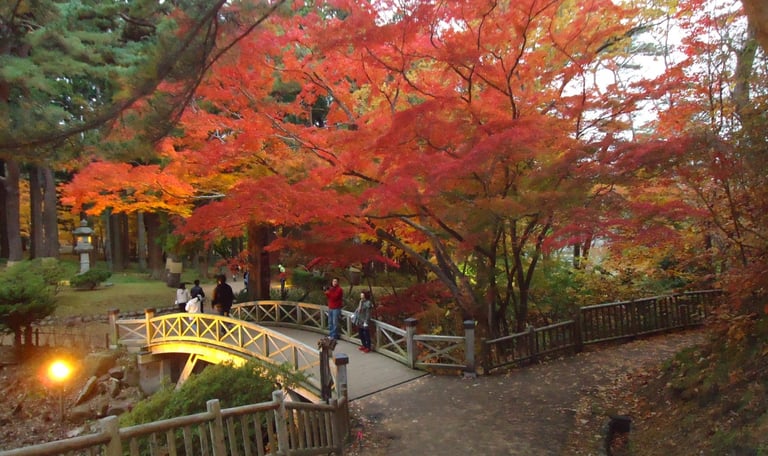
Vibrant foliage colours transform mountains and forests. This is also harvest season, bringing fresh seafood, produce, and seasonal food experiences.
🚄 From Tokyo to Hokkaido
✈️ Plane — Fastest & Most Practical
Route:
Tokyo (Haneda or Narita Airport) → New Chitose Airport (Sapporo)
Flight Time:
~1 hour 30 minutes
Frequency:
Very frequent (multiple flights per hour throughout the day)
Convenience:
New Chitose Airport is well-connected, with direct trains to Sapporo (~40 minutes) and buses to Niseko and other regions.
Pros:
Fastest option, wide availability, often competitively priced with low-cost carriers.
Cons:
Requires airport transfers, check-in, and security time.
✨ Why travellers choose this:
The most efficient and widely used option—ideal for maximising time in Hokkaido, especially for ski trips or shorter itineraries.
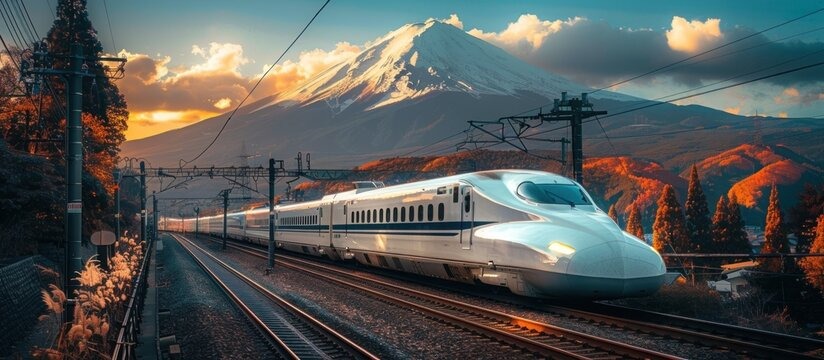
🚄 Shinkansen (Bullet Train) — Scenic & Comfortable
Route:
JR Tohoku & Hokkaido Shinkansen from Tokyo Station → Shin-Hakodate-Hokuto
Travel Time:
~4 hours to Hakodate
~3.5–4 hours to Sapporo (via Limited Express train)
Total Journey:
~7.5–8 hours to Sapporo
Frequency:
Regular departures throughout the day
Convenience:
Smooth, comfortable journey with spacious seating, luggage space, and scenic coastal views.
Tip for Tourists:
Fully covered by the Japan Rail Pass, making it a great option for those travelling extensively across Japan.
✨ Why travellers choose this:
A relaxed, scenic journey ideal for travellers combining Tokyo, Tohoku, and southern Hokkaido.
🚌 Long-Distance Bus (Not Recommended)
Due to the distance, direct buses from Tokyo to Hokkaido are extremely long and uncommon. Travel typically involves a combination of bus and ferry and is not practical for most travellers.
🚄 From Osaka to Hokkaido
✈️ Plane — Fastest & Most Convenient
Route:
Osaka (Kansai International or Itami Airport) → New Chitose Airport
Flight Time:
~2 hours
Frequency:
Frequent daily departures
Pros:
Fast, direct, and often well-priced
Cons:
Airport procedures add time to the journey
✨ Why travellers choose this:
The clear best option—quick, efficient, and ideal for both winter ski trips and summer travel.
🚄 Shinkansen — Scenic Long-Distance Journey
Route:
Shin-Osaka → Tokyo (Tokaido Shinkansen) → Shin-Hakodate-Hokuto (Tohoku/Hokkaido Shinkansen)
Travel Time:
~9–10 hours total to Hakodate
additional ~3.5–4 hours to Sapporo
Total Journey:
~12–14 hours
Best For:
Rail enthusiasts or travellers exploring multiple regions across Japan
✨ Why travellers choose this:
A comprehensive rail journey across Japan—ideal if using a nationwide rail pass and travelling slowly.
🚢 Ferry Options (Alternative Travel Experience)
Routes:
Tokyo / Oarai → Tomakomai (Hokkaido)
Nagoya / Niigata → Hokkaido ports
Travel Time:
~18–20 hours
Experience:
Private cabins, restaurants, and onboard facilities available
Best For:
Travellers seeking a unique, slower-paced journey or travelling with a vehicle
✨ Why travellers choose this:
A scenic and relaxed alternative to flying—more about the journey than speed.
🚐 Getting Around Hokkaido
Rail Network (JR Hokkaido):
Connects major cities such as Sapporo, Hakodate, Asahikawa, and Kushiro, though travel times are longer due to distances.
Car Rental (Highly Recommended):
The best way to explore Hokkaido’s countryside, national parks, and remote regions—especially in summer and autumn.
Bus Services:
Essential for accessing ski resorts like Niseko and Furano, as well as regional towns not directly connected by train.
🎟️ Rail Passes & Travel Tips
Japan Rail Pass (Nationwide)
Covers the full shinkansen journey from Tokyo to Hokkaido
Ideal for multi-region travel across Japan
Includes JR trains within Hokkaido
JR Hokkaido Rail Pass
Unlimited travel within Hokkaido for 3, 5, or 7 days
Covers major routes including Sapporo, Hakodate, Asahikawa, and Kushiro
Ideal for travellers focusing solely on Hokkaido
💡 Tip: Hokkaido is significantly larger than most regions in Japan, so travel times between destinations can be longer than expected.
Most travellers benefit from:
Flying into Sapporo (New Chitose Airport)
Focusing on one region (e.g., Niseko, Furano, or Eastern Hokkaido)
Using a car for flexibility in rural areas
Planning transport in advance is especially important during winter ski season and summer peak travel periods.
Accessing Hokkaido
Photos and Images are credited to their respective owners
© Sapporo Tourist Association
Photo Provided by Sapporo Tourist Association
© Hokkaido Tourism Organization
Provided by Hokkaido Tourism Organization
Get in Touch
Go Japan provides travel consultancy services and connects clients with licensed Japanese travel operators.
© 2026 Go Japan. All Rights Reserved.
Photos, images and brand logos are credited to their respective owners.