


Food & Culinary Excellence
In Oita Prefecture, dining is more than just enjoying a meal — it is an experience shaped by nature, tradition, and a slower pace of life. From steaming onsen cuisine to beautifully presented seasonal courses, each setting offers a deeper connection to the region.


Usa Jingu & Kunisaki Peninsula
Northern Oita is home to some of the prefecture’s most fascinating spiritual and historic landscapes. At its heart is Usa Jingu, one of Japan’s most important Shinto shrines and the head shrine of thousands of Hachiman shrines found throughout the country. Surrounded by forest, its impressive vermilion buildings, peaceful pathways, bridges, and sacred grounds offer visitors a beautiful introduction to Oita’s ancient religious heritage.
Nearby, the Kunisaki Peninsula reveals an even quieter side of regional Japan. For centuries, its mountains have been associated with Rokugo Manzan, a distinctive spiritual culture that developed through the blending of Buddhist, Shinto, and mountain worship traditions. Ancient temples, stone statues, forest trails, rural communities, and secluded sacred sites remain scattered throughout the peninsula.
Highlights include visiting Futagoji Temple, discovering centuries-old Buddhist carvings and stone monuments, walking peaceful temple paths through the forests, and experiencing landscapes largely untouched by mass tourism. Together, Usa Jingu and the Kunisaki Peninsula offer an unforgettable journey through the spiritual heart of Oita and a fascinating glimpse into a lesser-known side of Japan.


🚄 1. From Tokyo to Oita
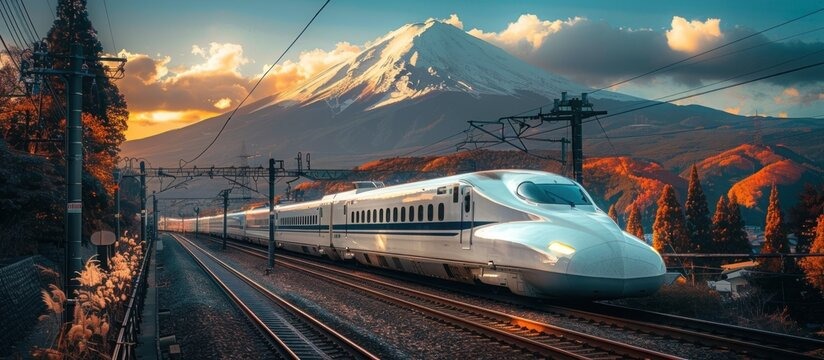
🚅 Shinkansen (Bullet Train) — Fastest & Most Convenient
Route: JR Tokaido & Sanyo Shinkansen from Tokyo Station (some services from Ueno) directly to Hakata Station in Fukuoka City.
Travel Time: Fastest “Nozomi” trains take approximately 5 hours.
Frequency: Roughly every 10–20 minutes throughout the day.
Convenience: Spacious trains with reserved or non-reserved seating, luggage racks, and easy boarding. Ideal for city-centre arrival without transfers.
Tip for Tourists: Consider the Japan Rail Pass if travelling further in Kyushu after arriving in Fukuoka. Seat reservations can be made at no extra cost.
✨ Why travellers choose this: Fast, reliable, and comfortable, allowing you to reach central Fukuoka directly while enjoying scenic views along the way.
✈️ Plane (from Tokyo)
Route: Fly from Haneda or Narita Airport to Fukuoka Airport (subway to Hakata Station takes ~5 minutes).
Flight Time: ~1 hour 45 minutes.
Pros: Convenient for travellers using airline points or connecting from domestic flights. Direct airport-to-city connection is extremely fast.
Cons: Total journey can be similar to the shinkansen once check-in, security, and boarding times are included.
🚌 Highway Bus (Budget Option)
From: Tokyo (Shinjuku, Ikebukuro) → Fukuoka City (Hakata Bus Terminal).
Duration: ~14–15 hours.
Cost: Cheaper than shinkansen (~8,000–15,000 yen depending on seat type).
Best For: Budget-conscious travellers or overnight trips where bus sleep time replaces accommodation costs.
🚄 2. From Osaka to Oita
🚅 Shinkansen — Fast & Comfortable
Route: JR Sanyo Shinkansen from Shin-Osaka → Hakata Station in Fukuoka City.
Travel Time: ~2 hours 30 minutes on “Sakura” or “Nozomi” trains.
Frequency: Every 10–30 minutes.
Booking Tip: Reserved seating is recommended during peak travel periods such as Golden Week, summer holidays, and New Year.
✈️ Plane
Route: Fly from Kansai International Airport or Itami Airport → Fukuoka Airport, then subway to Hakata Station (~5 minutes).
Flight Time: ~1 hour 15 minutes.
Pros: Short flight; often competitively priced.
Cons: Airport transfers, check-in, and security may make total journey comparable to the shinkansen for city-centre access.
🚌 Long-Distance Bus
Route: Direct highway buses from Osaka/Kyoto → Fukuoka City (Hakata).
Duration: ~9–10 hours.
Best For: Budget travellers or overnight trips to save on accommodation costs.
🎟️ Rail Passes & Ticket Tips
Japan Rail Pass
The nationwide Japan Rail Pass can be useful for travellers visiting Oita as part of a longer journey around Japan. JR services can take travellers through Kokura and onward to Beppu and Oita using the Limited Express Sonic, subject to the conditions of the selected pass.
JR Kyushu Rail Pass
For travellers exploring several destinations across Kyushu, a JR Kyushu Rail Pass may offer better value. Depending on the pass selected, travellers can connect Oita and Beppu with destinations such as Fukuoka, Kumamoto and other parts of Kyushu.
Travelling from Fukuoka
Oita is also easily incorporated into a Kyushu itinerary from Fukuoka/Hakata. Travellers can take the Limited Express Sonic from Hakata through Kokura to Beppu and Oita, making Fukuoka an excellent gateway for combining northern Kyushu with Oita Prefecture.
💡 Tip: If your main destinations are Beppu and Yufuin, check your route before automatically travelling through Oita City. Both destinations have their own transport connections, and choosing the right gateway can save considerable travel time.
Oita Prefecture(大分県)
Kyushu’s Tranquil Haven of Hot Springs, Nature and Cultural Discovery
Located on the eastern coast of Kyushu, Oita Prefecture offers a deeply enriching blend of natural beauty, traditional culture, and Japan’s most celebrated hot spring experiences. Renowned as the onsen capital of Japan, Oita invites travellers to slow down, unwind, and immerse themselves in authentic regional charm, where steaming landscapes, scenic coastlines, and peaceful rural towns create a truly restorative journey.
The prefecture is home to iconic destinations such as Beppu, famous for its dramatic geothermal activity and unique “Hells of Beppu,” and Yufuin, a picturesque hot spring town known for its boutique atmosphere, art galleries, and stunning views of Mount Yufu. Beyond its renowned onsen towns, Oita also offers spiritual and historical depth through areas such as Usuki, home to ancient stone Buddha carvings, and the Kunisaki Peninsula, where centuries-old temples and sacred pilgrimage routes remain beautifully preserved.
From relaxing in open-air baths surrounded by nature, to exploring coastal scenery and experiencing local cuisine shaped by the region’s natural bounty, Oita Prefecture delivers a slower, more immersive side of Japan. Whether paired with a broader Kyushu journey or enjoyed as a destination in its own right, Oita provides a perfect balance of relaxation, culture, and unforgettable landscapes.
Urban Energy Meets Onsen Luxury and Coastal Relaxation
Beppu’s cityscape is defined by its unique geothermal energy, with plumes of steam drifting through streets lined with modern hotels, luxury ryokan, and casual eateries. The city boasts an impressive range of accommodation, from high-end resorts with panoramic coastal views to stylish boutique stays, making it an ideal base for both relaxation and exploration.
Dining in Beppu reflects the richness of the region, with fresh seafood, locally sourced ingredients, and the famous “jigoku-mushi” (hell-steaming) cuisine offering a truly local experience. Around the station and waterfront areas, visitors will find a lively selection of restaurants, cafés, and izakaya, alongside shopping streets and contemporary retail spaces that bring a modern edge to the city.
Entertainment in Beppu is equally diverse, from the visually striking Hells of Beppu to cultural experiences, coastal walks, and relaxed nightlife. Despite its energy, the city maintains a laid-back rhythm, where visitors can transition effortlessly from exploring vibrant streets to soaking in a quiet open-air bath overlooking the sea.
• Kitsuki – One of Japan’s best-preserved samurai towns with historic streets and traditional residences
• Usuki Stone Buddhas – National treasures carved into rock faces, reflecting centuries of spiritual history
• Kunisaki Peninsula – Sacred landscape of temples, stone statues, and pilgrimage routes blending Buddhism and mountain worship
• Futago-ji Temple – Atmospheric temple set deep in the forest, marking the heart of Kunisaki’s spiritual heritage
• Harajiri Falls – Often called the “Niagara of Japan,” this wide waterfall is surrounded by rural scenery and walking paths
• Oita Marine Palace Aquarium Umitamago – Family-friendly coastal aquarium showcasing marine life of the region
• Takasakiyama Monkey Park – Home to hundreds of wild Japanese macaques in a natural forest setting
• Bungo Takada – Retro Showa-era townscape offering nostalgic streets, museums, and local charm
Our Top Destinations
in Oita
Beppu City
Beppu is one of Japan’s most celebrated hot spring destinations, beautifully positioned between the mountains and Beppu Bay. Famous for its extraordinary abundance of naturally occurring hot spring water, the city is characterised by clouds of onsen steam rising between homes, traditional inns, and neighbourhood streets. From historic public bathhouses to modern resorts and traditional ryokan, Beppu offers visitors countless ways to experience Japan’s deeply rooted onsen culture.
One of the city’s most famous attractions is the Beppu Jigoku Meguri (Hells of Beppu), a collection of spectacular geothermal sites featuring steaming pools, bubbling mud, and vividly coloured mineral-rich waters. Visitors can also discover unique experiences such as sand bathing, steam cooking known as Jigoku Mushi, and traditional neighbourhood onsen.
Key experiences include: exploring the Hells of Beppu, relaxing in traditional hot springs, experiencing a therapeutic sand bath, sampling food cooked naturally with geothermal steam, strolling through the historic onsen district of Kannawa, and enjoying views across Beppu Bay. With its remarkable geothermal landscape, welcoming atmosphere, and distinctive local culture, Beppu offers an experience unlike almost anywhere else in Japan.
Yufuin & Lake Kinrin
Nestled beneath the impressive Mount Yufu, Yufuin is one of Oita Prefecture’s most picturesque onsen towns, combining beautiful natural scenery, traditional hot springs, boutique shopping, cafés, galleries, and a relaxed countryside atmosphere. Smaller and more tranquil than nearby Beppu, Yufuin offers visitors a charming escape surrounded by mountains and rural landscapes.
At the heart of Yufuin is the beautiful Lake Kinrin, famous for its peaceful waters and atmospheric scenery. On cool mornings, particularly during autumn and winter, mist can rise gently from the lake, creating one of Yufuin’s most enchanting views. Walking paths around the lakeside provide a relaxing way to enjoy the changing colours and scenery throughout the seasons.
Visitors can also explore Yunotsubo Kaido, a lively street lined with cafés, local speciality stores, galleries, sweets, and handcrafted goods before relaxing in one of Yufuin’s many traditional ryokan and onsen.
Key experiences include: strolling around Lake Kinrin, admiring views of Mount Yufu, exploring Yunotsubo Kaido, discovering local cafés and galleries, staying in a traditional ryokan, and enjoying an outdoor onsen surrounded by Oita’s beautiful mountain scenery.


Oita Through the Four Seasons
Winter (Dec–Feb)
Winter is one of the most rewarding seasons to experience Oita, especially in the famous hot spring towns of Beppu and Yufuin. Crisp mountain air and rising clouds of onsen steam create an atmospheric winter landscape, while snow occasionally dusts the surrounding peaks. Warm up in mineral-rich hot springs, explore Beppu’s colourful Hells, and enjoy seasonal dishes featuring fresh seafood and local produce. Oita’s combination of relaxing onsen, mountain scenery, and winter cuisine makes it an inviting escape during the colder months.
Spring (Mar–May)
Spring transforms Oita with cherry blossoms, fresh greenery, and colourful seasonal flowers. Historic castle towns, riversides, parks, and mountain landscapes become beautiful places for hanami, while Yufuin and the Kunisaki Peninsula are particularly enjoyable in the mild spring weather. As the season progresses, vibrant displays of azaleas, wisteria, and other flowers add even more colour to the countryside.
Spring is also ideal for exploring Oita’s temples, walking trails, rural communities, and outdoor attractions, combining beautiful scenery with the prefecture’s rich cultural heritage—and, of course, a relaxing onsen at the end of the day.
Summer (Jun–Aug)
Summer brings lush greenery and vibrant landscapes across Oita, from the mountains of Yufuin and Kuju to the dramatic valleys and waterfalls of the countryside. The higher elevations offer a refreshing escape from the summer heat, with hiking trails, scenic drives, and spectacular viewpoints surrounded by deep green forests.
Along the coast, visitors can enjoy Oita’s seaside scenery and fresh local seafood, while traditional summer festivals and fireworks bring communities to life after sunset. After a day of exploring, Oita’s famous onsen provide the perfect way to relax and experience one of the prefecture’s most treasured traditions.
Autumn (Sep–Nov)
Autumn is one of Oita’s most spectacular seasons, as mountains, valleys, temples, and historic towns become surrounded by brilliant shades of red, orange, and gold. The Kuju Mountains and Yabakei Gorge are especially renowned for their breathtaking autumn foliage, attracting visitors from across Japan.
The cooler weather is ideal for hiking, scenic drives, exploring the historic Kunisaki Peninsula, or wandering through Yufuin’s picturesque streets. Seasonal produce and local cuisine add another dimension to the experience, while an outdoor onsen surrounded by autumn colours offers an unforgettable way to enjoy Oita.
Accessing Oita


Harajiri Falls
Surrounded by peaceful countryside in Bungō-Ōno, Harajiri Falls is one of Oita Prefecture’s most impressive natural wonders. Stretching approximately 120 metres across and 20 metres high, its dramatic horseshoe-shaped cascade appears unexpectedly among tranquil rice fields and rural landscapes, earning it the nickname “Niagara of the East.”
Visitors can admire the entire waterfall from a nearby suspension bridge, follow walking paths to the top of the falls, or venture closer to the riverbank to experience the power of the cascading water. The surrounding landscape changes beautifully throughout the year, with cherry blossoms and rapeseed flowers in spring, lush greenery in summer, and colourful foliage in autumn.
Formed by ancient volcanic activity from Mount Aso, Harajiri Falls also forms part of the fascinating geological landscape of the Oita Bungō-Ōno Geopark. Combining dramatic scenery, rural tranquillity, and geological history, it is an excellent destination for travellers exploring Oita beyond its famous onsen towns.
Photos and Images are credited to their respective owners
© Oita Prefectural Tourism Association "Tourism Oita"
© Yufu City Tourism Bureau
© Kamado Jigoku


Onsen Ryokan Dining (Kaiseki Experience)


A stay in Oita is often defined by its exceptional ryokan dining. Multi-course kaiseki meals highlight the seasons through carefully selected local ingredients, including fresh seafood, mountain vegetables, and premium meats such as Bungo beef. Each dish is thoughtfully prepared and elegantly presented, creating a refined yet deeply authentic experience that reflects Japanese hospitality at its finest.
Jigoku Mushi Steam Cooking (Beppu)


One of Oita’s most unique culinary traditions, jigoku mushi uses natural hot spring steam to cook ingredients at dedicated cooking stations around Beppu. Visitors can select fresh seafood, vegetables, and meats, then steam them on-site for a simple yet incredibly flavourful meal — a hands-on experience found only in a few regions of Japan.
Café Culture & Yufuin Artful Dining


In Yufuin, dining takes on a more artistic and boutique feel. The town is known for its charming cafés, brewery, dessert shops, and creative small eateries set against a scenic mountain backdrop. From matcha sweets to beautifully crafted pastries, this is the perfect place to slow down and enjoy a more leisurely, refined side of Oita’s food culture.


Must-See Highlights in Oita Prefecture
• Hells of Beppu – A collection of vividly coloured, steaming hot spring pools showcasing Beppu’s dramatic geothermal power (for viewing rather than bathing)
• Beppu Onsen Districts – Eight unique hot spring areas (“Beppu Hatto”), each with its own character, baths, and local atmosphere
• Takegawara Onsen – Iconic historic bathhouse offering traditional sand baths and classic Meiji-era architecture
• Yufuin – Charming hot spring town with boutique shops, cafés, art museums, and stunning views of Mount Yufu
• Lake Kinrin – Serene lake known for its misty morning atmosphere and picturesque setting
• Mount Yufu – Twin-peaked mountain offering scenic hikes and a striking natural backdrop to Yufuin
Get in Touch
Go Japan provides travel consultancy services and connects clients with licensed Japanese travel operators.
© 2026 Go Japan. All Rights Reserved.
Photos, images and brand logos are credited to their respective owners.