
Food & Culinary Excellence
Ishikawa’s cuisine is shaped by its natural environment and strong seasonal traditions. The cold waters of the Sea of Japan and the region’s fertile plains produce outstanding seafood and fresh local produce, forming a refined food culture that values simplicity, seasonality, and presentation.
Kanazawa is widely regarded as one of Japan’s great food cities, offering everything from elegant kaiseki dining to lively market fare. Whether enjoying freshly caught seafood, traditional regional dishes, or luxury seasonal specialties, food is an essential and memorable part of any visit to Ishikawa.
Local Specialties
Snow Crab (Zuwaigani)
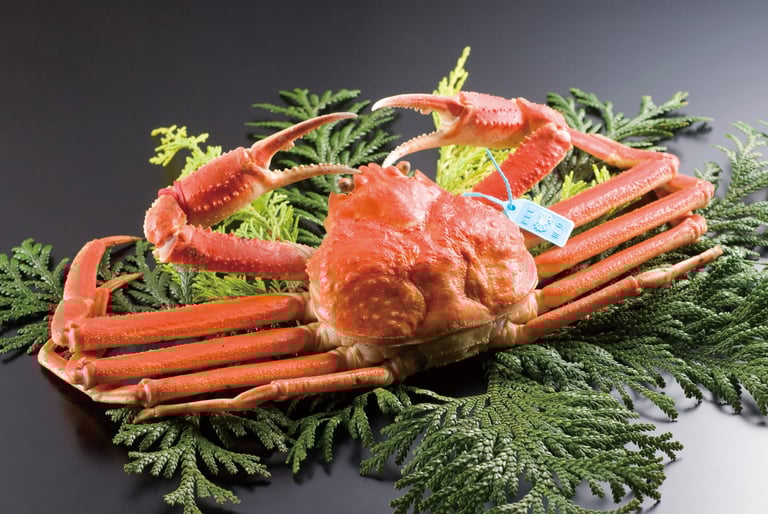
A winter highlight of Ishikawa, snow crab from the cold Sea of Japan is prized for its delicate sweetness and tender texture. Often served simply grilled, steamed, or in hot pot, it is a seasonal favourite at ryokan and seafood restaurants.Nodoguro (Blackthroat Sea Perch)
Known as the “king of white fish,” nodoguro features rich, marbled flesh and a buttery flavour. Enjoyed as sushi, grilled, or simmered, it represents the refined side of Ishikawa’s everyday dining.Sweet Shrimp (Ama-ebi)
A Kanazawa classic, ama-ebi is valued for its natural sweetness and freshness. Commonly served raw at markets or lightly fried with the shells, it is a must-try for seafood lovers.Jibu-ni
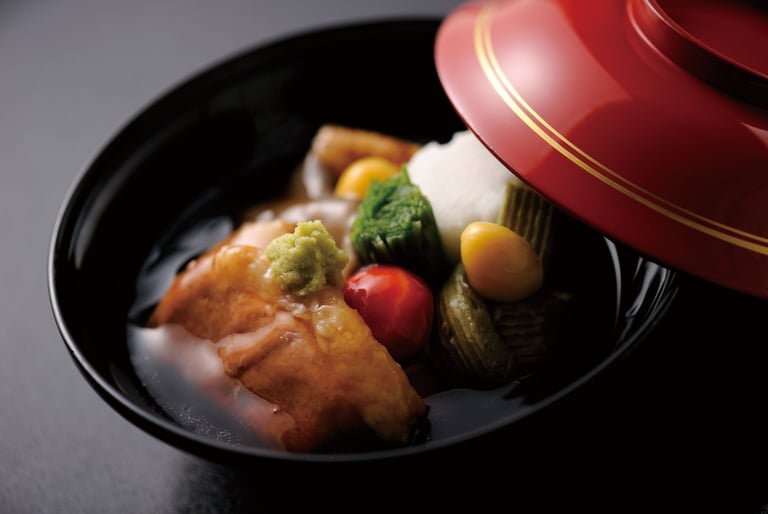
A traditional Kaga dish with samurai roots, jibu-ni features duck or chicken gently simmered with seasonal vegetables in a delicate broth. It is often served as part of formal kaiseki meals.Kaga Vegetables (Kaga Yasai)
A collection of heirloom vegetables unique to Ishikawa, including lotus root, pumpkin, and leafy greens. These local ingredients are celebrated for their deep flavours and strong connection to regional food traditions.Ruby Roman Grapes
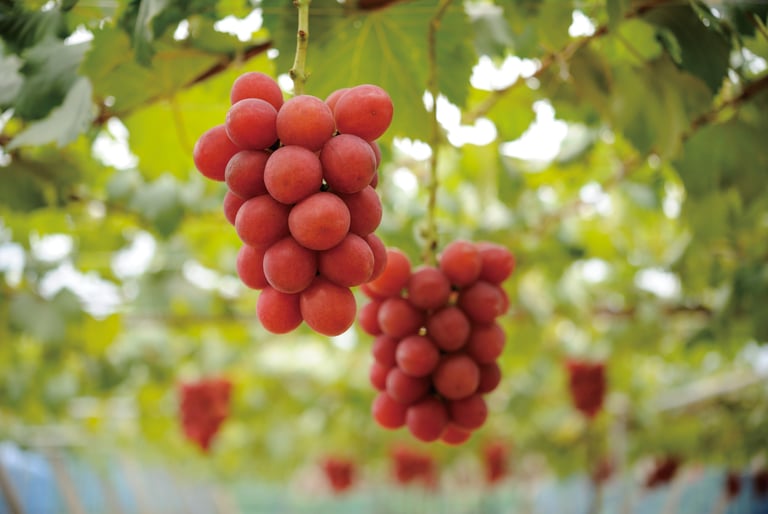
Developed exclusively in Ishikawa, Ruby Roman grapes are a luxury summer delicacy known for their large size, vivid colour, and exceptional sweetness. Produced in limited quantities, they are often featured in high-end desserts and gift presentations.

Kaga Onsen – Timeless
Hot Spring Retreats
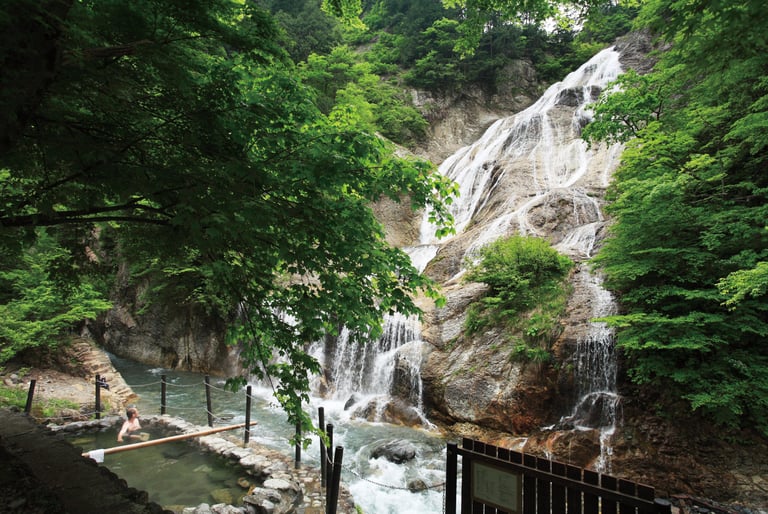
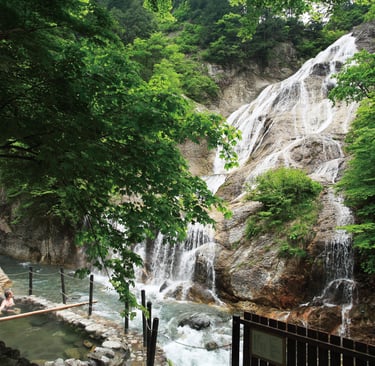
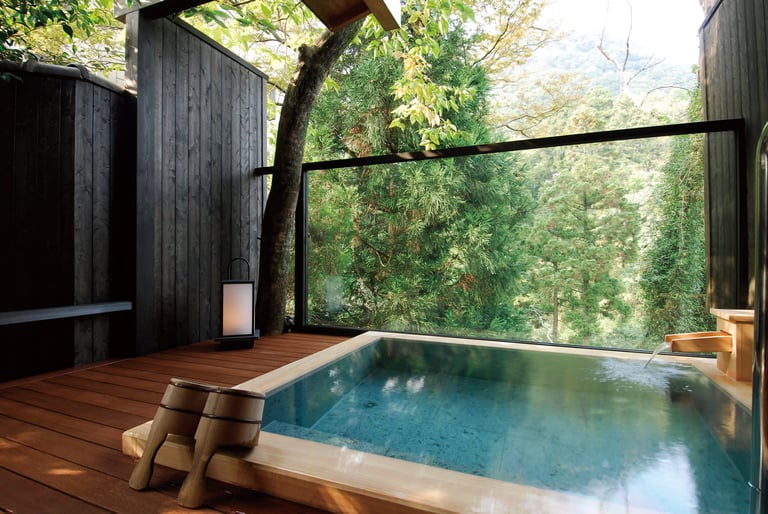
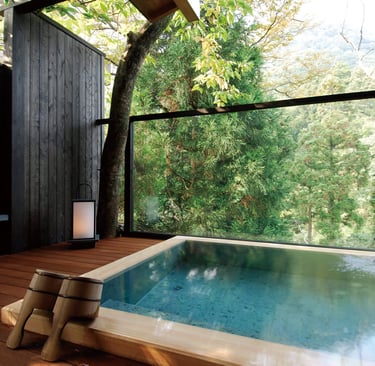
South of Kanazawa lies the tranquil Kaga Onsen region, an area renowned for centuries of hot spring culture and refined hospitality. Towns such as Yamanaka, Yamashiro, and Katayamazu Onsen are home to traditional ryokan where guests can relax in mineral-rich waters and enjoy beautifully prepared seasonal cuisine.
Surrounded by mountains, rivers, and quiet streets, Kaga Onsen offers a slower pace of travel. Here, days are shaped by soaking in open-air baths, strolling along scenic river paths, and savouring multi-course kaiseki meals. It is an ideal destination for couples, travellers seeking relaxation, and those wishing to experience classic Japanese hospitality in a peaceful setting.
🚄 1. From Tokyo to Kanazawa
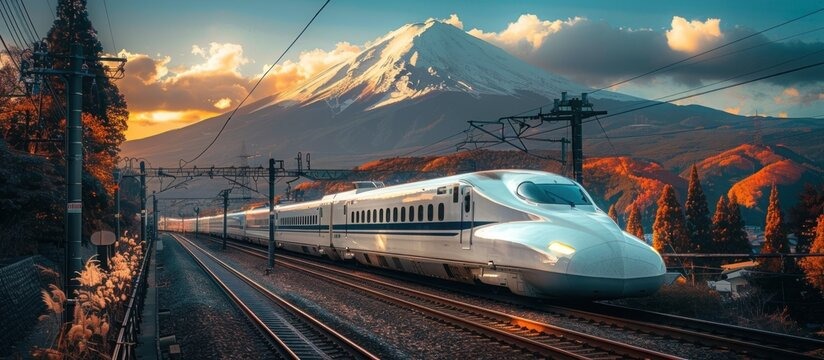
🚅 Shinkansen (Bullet Train) — Fastest & Most Convenient
Route: JR Hokuriku Shinkansen from Tokyo Station (some services from Ueno) directly to Kanazawa Station.
Travel Time: Fastest “Kagayaki” trains take ~2 hr 30 min.
Frequency: Roughly every 30–60 minutes throughout the day.
Convenience: Spacious trains with reserved or non-reserved seating, luggage racks, and easy boarding.
Tip for Tourists: Consider the JR East Pass (Nagano/Niigata/Ishikawa area) for side trips to Kaga Onsen, Noto Peninsula, or Toyama — you can reserve seats at no extra cost.
✨ Why travellers choose this: Fast, reliable, and scenic, bringing you directly into Kanazawa’s city centre with easy onward connections.
✈️ Plane (from Tokyo)
Route: Fly from Narita or Haneda Airport to Komatsu Airport (followed by a 30-min bus or taxi to Kanazawa).
Flight Time: ~1 hr.
Pros: Good for travellers using airline points or connecting from domestic flights.
Cons: Add airport transfers (~1 hr), so total travel time may be similar to the shinkansen.
🚌 Highway Bus (Budget Option)
From: Tokyo (Shinjuku, Ikebukuro) → Kanazawa Station.
Duration: ~8 hrs.
Cost: Cheaper than shinkansen (~5,000–10,000 yen depending on seat type).
Best For: Budget-conscious travellers who don’t mind a longer, overnight option.
🚄 2. From Osaka to Kanazawa
🚅 Shinkansen via Kyoto / Maibara
Route: Thunderbird Limited Express from Osaka (Shin-Osaka or Osaka Station) → Kanazawa Station.
Travel Time: ~2 hr 40 min.
Booking Tip: Reserved seating is recommended during peak travel periods.
✈️ Plane
Route: Fly from Osaka (Kansai or Itami Airport) → Komatsu Airport, then a short bus or taxi to Kanazawa.
Flight Time: ~1 hr.
Pros: Short flight time; sometimes competitively priced.
Cons: Total journey depends on airport transfers; may not be faster than train for city-centre access.
🚌 Long-Distance Bus
Route: Direct highway buses from Osaka/Kyoto → Kanazawa Station.
Duration: ~6–7 hrs.
Best For: Budget travellers or overnight options to save on accommodation costs.
🎟️ Rail Passes & Ticket Tips
JR West Pass (Hokuriku Area)
Unlimited JR travel (including limited express trains) within Ishikawa, Toyama, and Fukui, ideal for multi-day itineraries.
Great for exploring Kanazawa, Kaga Onsen, Noto Peninsula, and nearby destinations.
JR East Pass (Nagano/Niigata/Ishikawa area)
Covers Hokuriku Shinkansen from Tokyo → Kanazawa, plus unlimited JR travel within the region.
5-day consecutive validity; must be purchased before arrival or exchanged in Japan.
Ideal for travellers planning multiple day trips around Ishikawa.
💡 Tip: While the standard Japan Rail Pass also covers Kanazawa, regional passes are often cheaper for trips focused on Ishikawa and nearby prefectures.

Ishikawa Prefecture(石川県)
Where Refined Tradition Meets the Sea of Japan
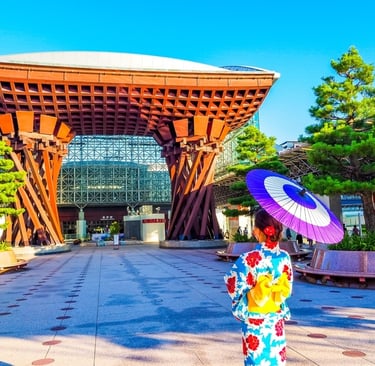
Ishikawa Prefecture is one of Japan’s most culturally rewarding regions — a place where samurai heritage, exquisite craftsmanship, refined cuisine, and dramatic coastlines come together in perfect balance. Anchored by the elegant city of Kanazawa, and stretching north into the wild beauty of the Noto Peninsula, Ishikawa offers travellers an authentic, slower-paced Japan filled with depth, artistry, and soul.
Often described as “Kyoto without the crowds,” Ishikawa is ideal for travellers seeking culture, food, craftsmanship, gardens, onsen, and meaningful local encounters.
Why Visit Ishikawa?
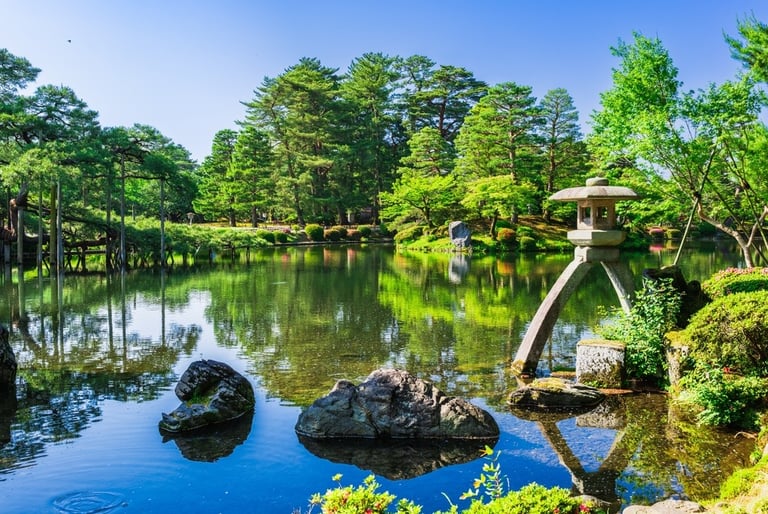
Home to Kenroku-en, one of Japan’s Three Great Landscape Gardens
A former samurai stronghold with remarkably preserved historic districts
Japan’s centre of gold leaf, lacquerware, ceramics, and traditional arts
Exceptional Sea of Japan seafood, especially crab and nodoguro
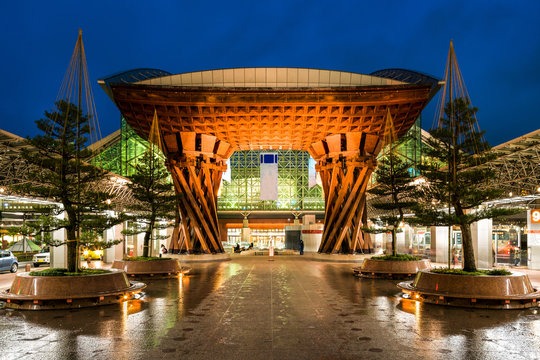
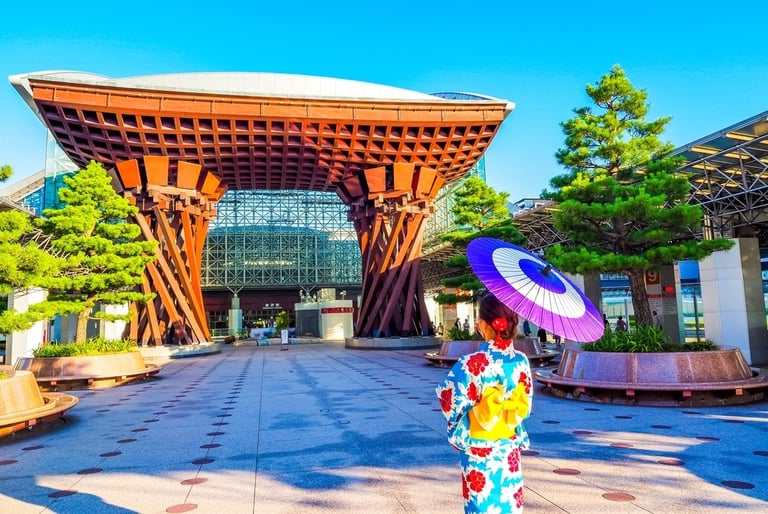
Easy access from Tokyo via Hokuriku Shinkansen
Ideal for luxury ryokan stays, cultural immersion, and slow travel
Kanazawa – Cultural Capital of the Hokuriku
Kanazawa is the heart of Ishikawa and one of Japan’s most elegant regional cities. Largely untouched by wartime bombing, it retains its historical layout, offering travellers a rare chance to experience Edo-period Japan in a living, breathing city.
Must-See Highlights
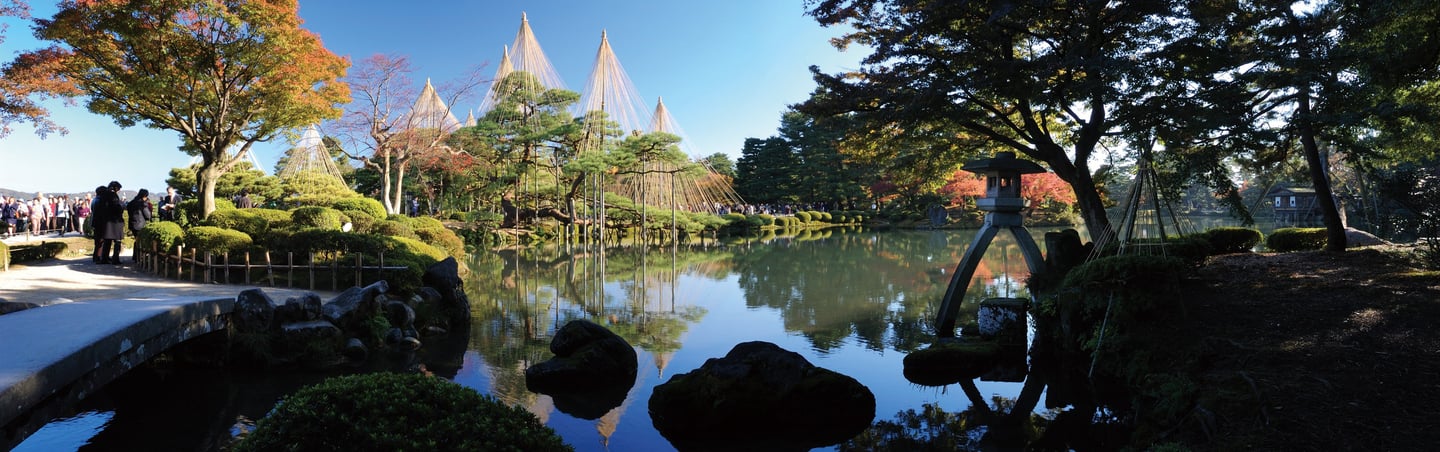
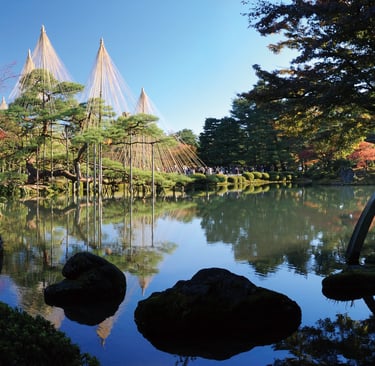
Kenroku-en Garden – A masterpiece of landscape design, stunning in every season
Kanazawa Castle – Symbol of Maeda clan power and refined architecture
Higashi Chaya District – Traditional teahouses, gold leaf shops, and geisha culture
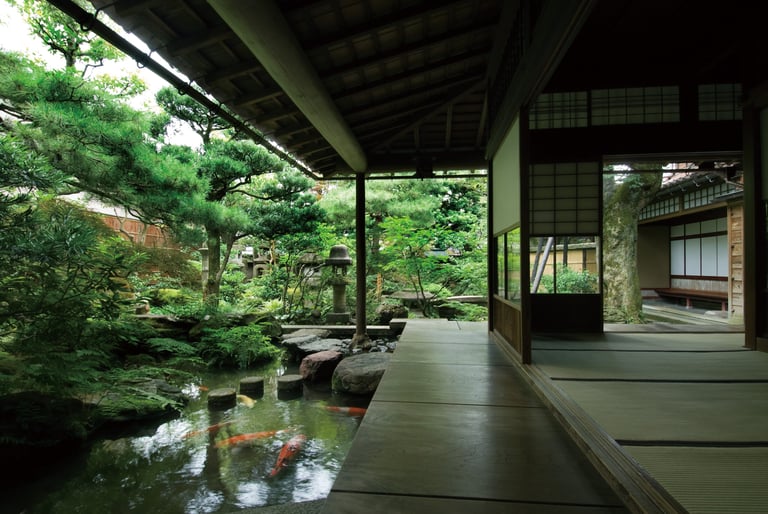
Nagamachi Samurai District – Earthen walls, narrow lanes, and preserved residences
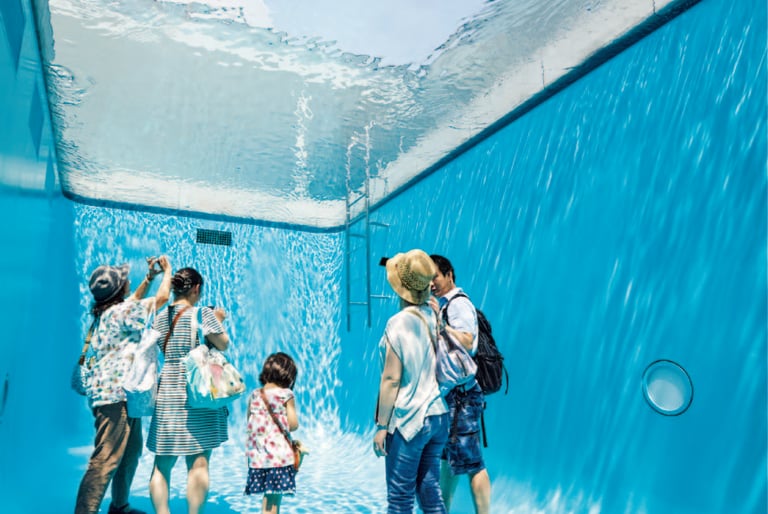
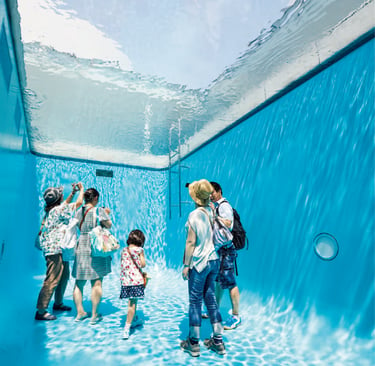
21st Century Museum of Contemporary Art – Striking modern contrast to the city’s history
Recommended Experiences
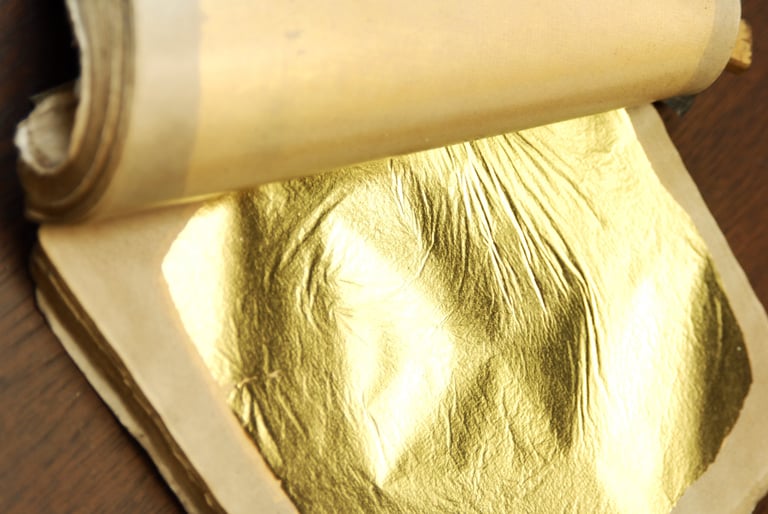
Gold leaf application workshop (chopsticks, plates, cosmetics)
Tea ceremony in a historic teahouse
Evening walk through softly lit chaya districts
Private guide tour focusing on samurai and geisha history
Craftsmanship & Living Traditions
Ishikawa is synonymous with monozukuri — the Japanese spirit of craftsmanship and dedication to making things well. Supported by the patronage of the Maeda clan during the Edo period, the region became a centre for artisans, allowing many traditional techniques to flourish. Today, these crafts continue to be practised using methods passed down through generations, and visitors can still experience the skill, precision, and quiet beauty that define Ishikawa’s enduring creative culture.
Signature Crafts
Kanazawa Gold Leaf (Kinpaku) – 99% of Japan’s gold leaf is made here
Kutani-yaki Porcelain – Bold, colourful ceramics with intricate hand-painting
Wajima-nuri Lacquerware – Highly durable, refined lacquer from the Noto Peninsula
Kaga Yuzen Silk Dyeing – Elegant kimono textiles using natural motifs
Hands-On Experiences
Visit artisan workshops and studios
Meet master craftspeople
Try painting Kutani porcelain or applying gold leaf
Custom cultural experiences arranged for private travellers and groups
Our Top Destinations
in Ishikawa
Ishikawa is surprisingly diverse for a regional prefecture — from elegant historic cities to rugged coastal landscapes, from centuries-old craft villages to serene onsen towns. Whether you’re into cultural immersion, nature, food or hands-on experiences, Ishikawa’s destinations form a compelling journey through Japan’s heritage and scenery.
Kanazawa –
Ishikawa’s Cultural Jewel
Kanazawa is the cultural centrepiece of Ishikawa and one of Japan’s most rewarding
cities to explore. Once ruled by the powerful Maeda clan, the city prospered as a centre of art, learning, and refinement, a legacy that remains visible today in its gardens,
districts, and cuisine.
Visitors are drawn to Kenroku-en Garden, widely considered one of Japan’s finest landscape gardens, where seasonal beauty unfolds year-round. Nearby, Kanazawa Castle stands as a symbol of samurai heritage, while the preserved streets of the Higashi Chaya District invite travellers to step back in time among historic teahouses and gold-leaf workshops.
Kanazawa also surprises with its modern creativity. The 21st Century Museum of Contemporary Art offers a striking contrast to the city’s traditional atmosphere, while Omicho Market showcases Ishikawa’s outstanding seafood and produce. Kanazawa is an ideal base for cultural exploration, craft experiences, and fine dining, and works beautifully as the starting point for an Ishikawa journey
Noto Peninsula – Coastal Landscapes
& Rural Japan
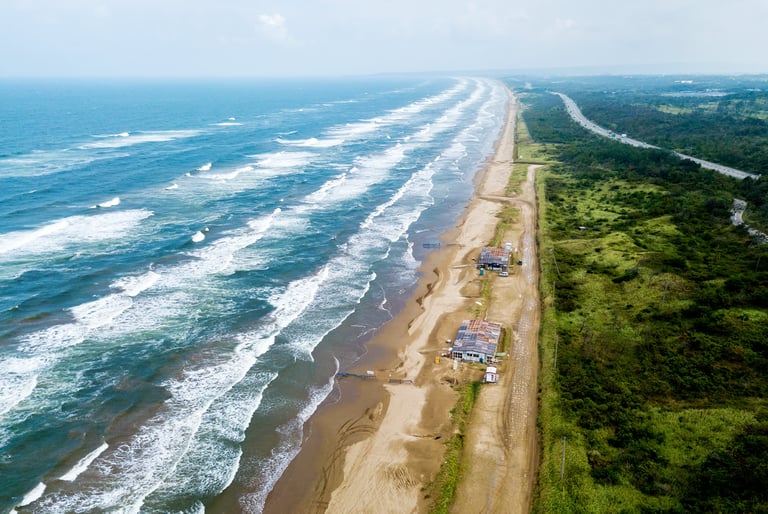
For travellers seeking a more off-the-beaten-path experience, the Noto Peninsula reveals Ishikawa’s wild and rural side. Stretching north into the Sea of Japan, this rugged coastline is dotted with fishing villages, terraced rice fields, and long-standing local traditions.
The peninsula is known for its dramatic scenery, including seaside cliffs and panoramic coastal views, as well as deeply rooted crafts such as Wajima lacquerware. Quiet roads lead to small communities where daily life moves at a gentler rhythm, offering a glimpse into Japan beyond the cities.
Highlights include scenic coastal drives, visits to traditional markets, and stays at seaside or countryside ryokan. Noto is particularly appealing for travellers who value nature, photography, local cuisine, and authentic regional culture.
Ishikawa Through the Four Seasons
Winter (Dec–Feb)
Ishikawa’s winter brings crisp air and occasional snow, especially in Kanazawa and the Kaga Onsen region. Snow-covered gardens like Kenroku-en and serene hot spring towns offer peaceful winter charm. The Sea of Japan yields fresh winter seafood, including snow crab, making it a season for culinary indulgence and relaxing onsen stays.
Spring (Mar–May)
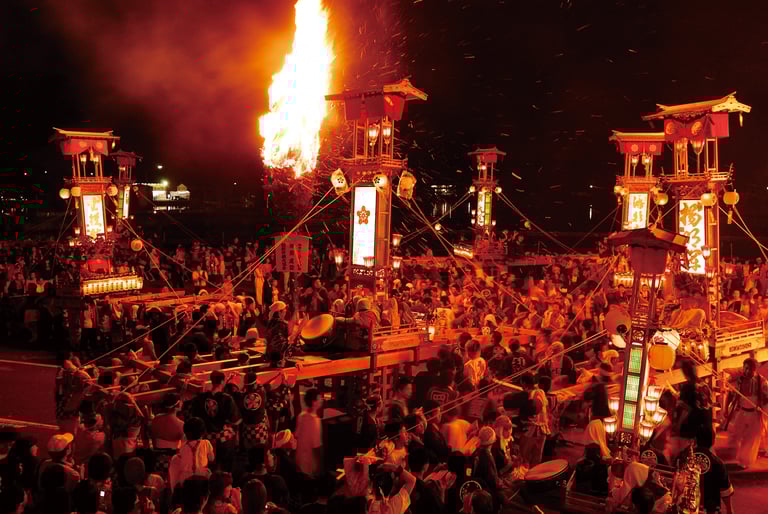
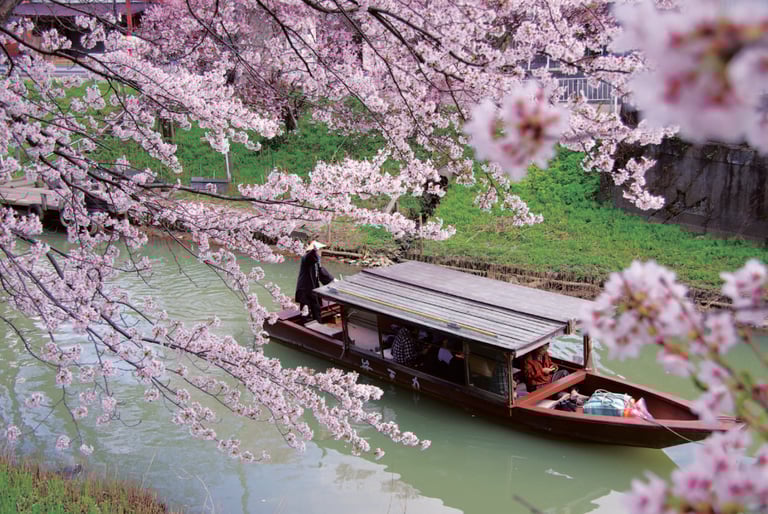
Cherry blossoms bloom across Kanazawa, the Higashi Chaya district, and rural villages, while Kaga Onsen gardens awaken in vibrant colour. Spring is perfect for exploring historic streets, participating in local festivals, and sampling seasonal produce and early seafood.
Summer (Jun–Aug)
Summer showcases Ishikawa’s natural beauty and cultural life. The Noto Peninsula’s coastal villages are perfect for scenic drives and fishing excursions, while inland areas offer hiking, cycling, and riverside walks. Seasonal festivals light up the region, and markets brim with fresh vegetables, seafood, and sweet summer treats like Ruby Roman grapes.
Autumn (Sep–Nov)
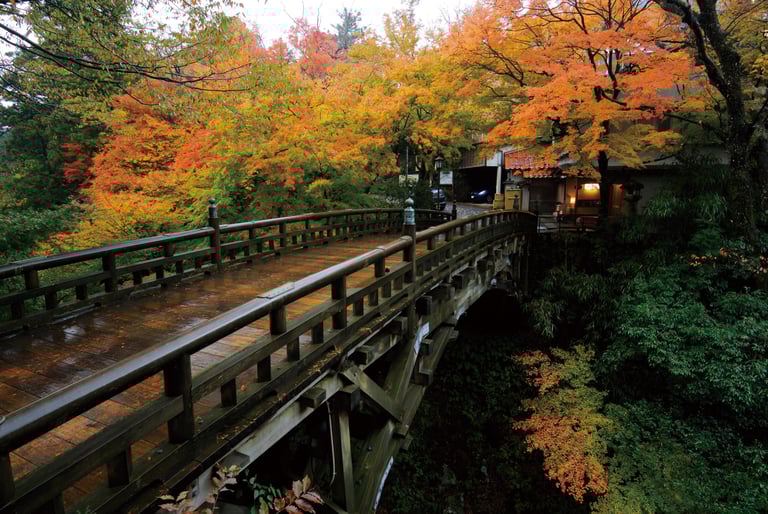
Autumn transforms Ishikawa with fiery foliage in Kenroku-en and forested mountain trails, while rice terraces and vegetable farms celebrate the harvest. It is also the season for crab, nodoguro, and other regional delicacies, making it an ideal time for scenic drives paired with culinary experiences.
Accessing Ishikawa
Get in Touch
Go Japan provides travel consultancy services and connects clients with licensed Japanese travel operators.
© 2026 Go Japan. All Rights Reserved.
Photos, images and brand logos are credited to their respective owners.