
Food & Culinary Excellence in Fukushima
Fukushima’s cuisine reflects its varied geography — fertile plains, mountain regions, and coastal waters all contribute to a diverse and satisfying food culture. Seasonal ingredients, hearty flavours, and strong local traditions define the prefecture’s dining experiences.
From famous ramen towns to refined samurai-era dishes and celebrated sake breweries, food plays a central role in any journey through Fukushima.
Local Specialties
Kitakata Ramen
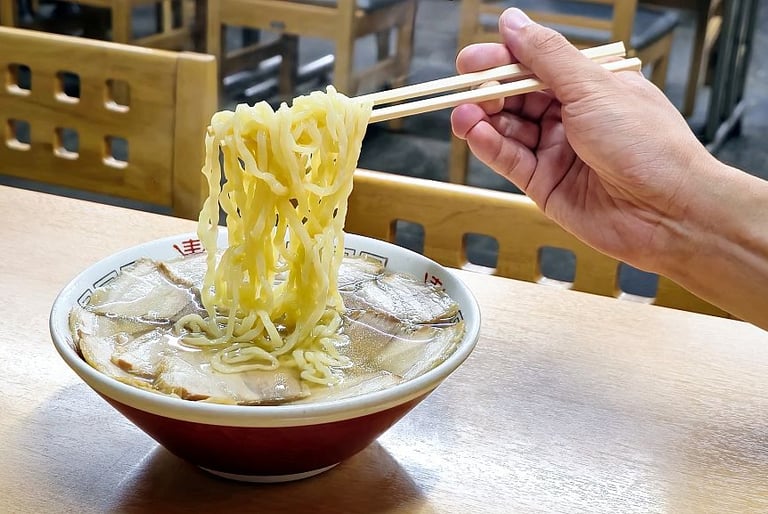
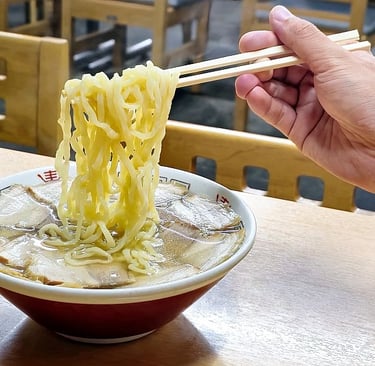
One of Japan’s three great ramen styles, Kitakata ramen is known for its thick, wavy noodles and light yet deeply savoury soy-based broth. With hundreds of ramen shops throughout the city, Kitakata is a pilgrimage destination for noodle lovers.Aizu Cuisine & Wappa-meshi
Traditional Aizu dishes are rustic and satisfying, often reflecting the region’s cold winters. Wappa-meshi, rice steamed in wooden containers and topped with seasonal ingredients, is a regional specialty rooted in samurai-era food culture.Fukushima Peaches
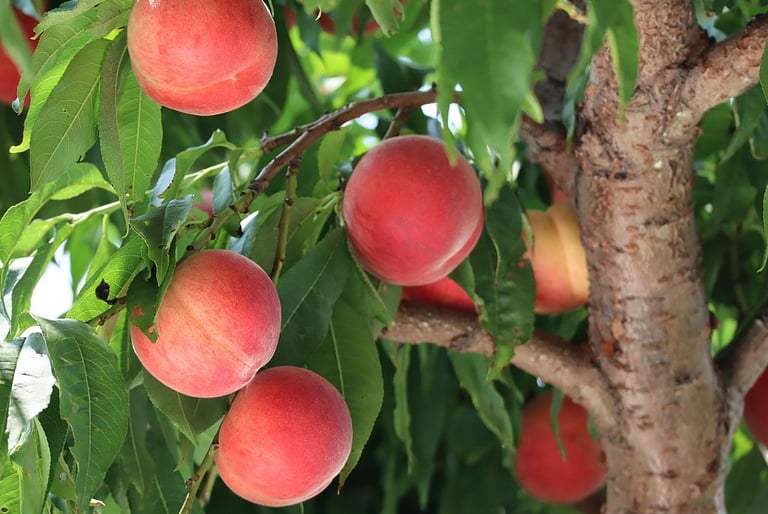
Fukushima is nationally renowned for its peaches, prized for their sweetness and juiciness. In summer, visitors can enjoy fresh fruit, desserts, and orchard experiences throughout the region.Sake from Aizu & Central Fukushima
The prefecture is one of Japan’s leading sake producers, particularly in the Aizu region. Clear water, cold winters, and skilled brewers have created a strong reputation for high-quality sake, with many breweries open to visitors.Coastal Seafood
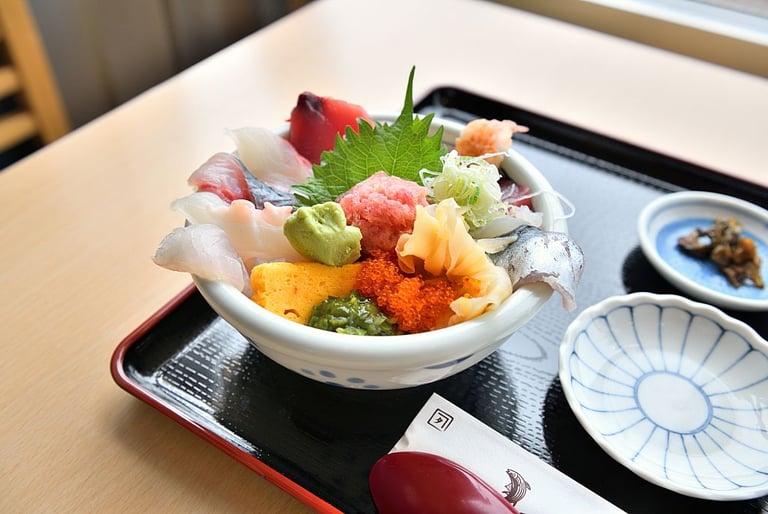
Along the eastern coast, fresh seafood features prominently, with seasonal fish, shellfish, and local preparations available in coastal towns and markets.
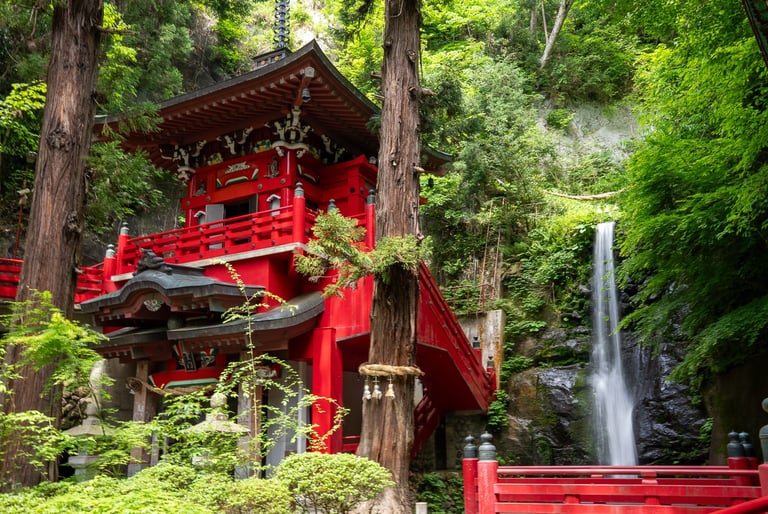
Ōuchi-juku & Tō-no-Hetsuri –
Edo-Era Japan & Natural Drama
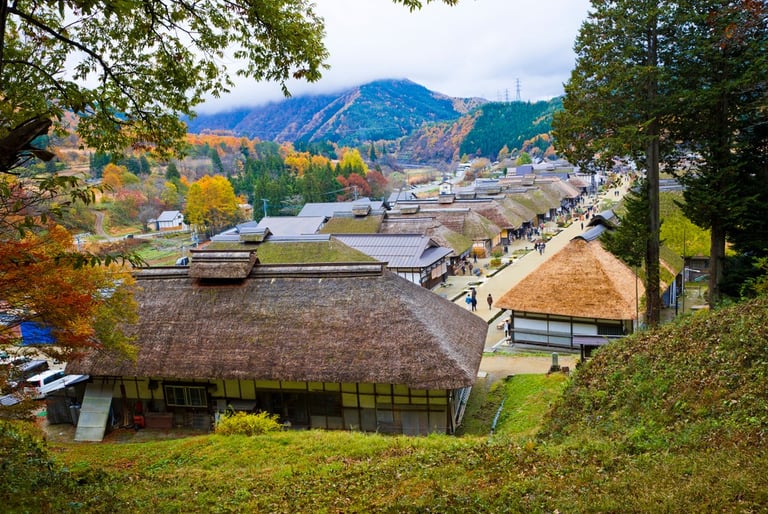
Nestled in the mountains of southern Aizu, Ōuchi-juku is one of Fukushima’s most iconic destinations. This former post town along the Aizu-Nishi Kaidō highway has been meticulously preserved, with rows of thatched-roof buildings lining an unpaved main street. Visiting Ōuchi-juku feels like stepping back several centuries, offering a rare glimpse into everyday life during the Edo period.
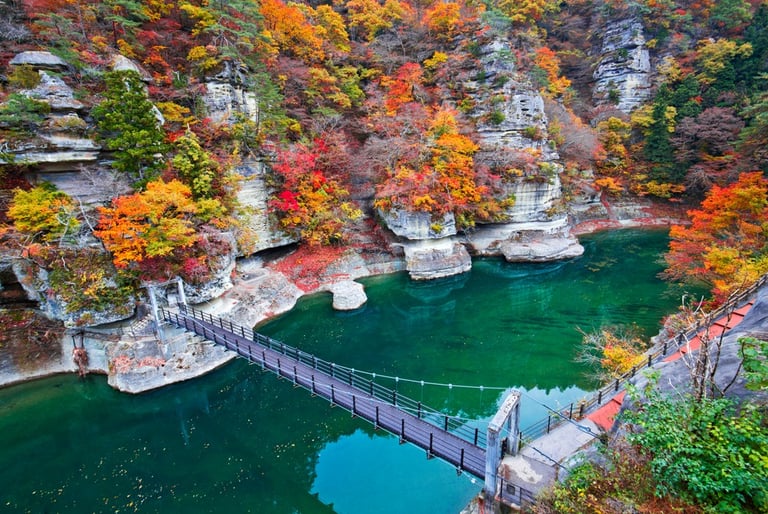
Nearby, Tō-no-Hetsuri presents a striking natural contrast. These dramatic river-carved cliffs, shaped over thousands of years, form one of Fukushima’s most scenic natural landmarks. A short walking trail allows visitors to enjoy views from multiple angles, making it an easy and rewarding stop when travelling through the Aizu region.
Together, Ōuchi-juku and Tō-no-Hetsuri combine history and nature into a uniquely atmospheric experience.
🚄 1. From Tokyo to Fukushima
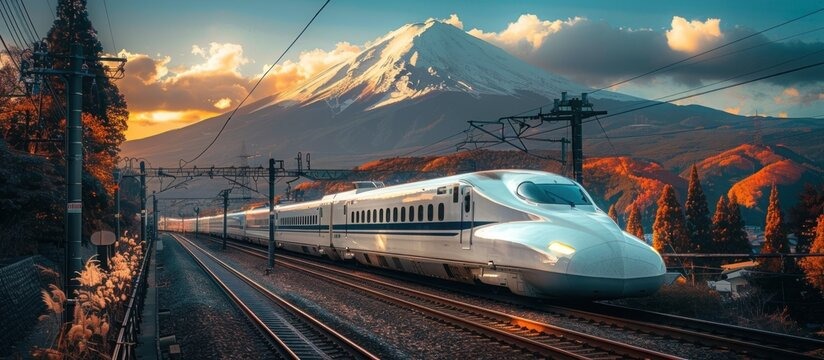
🚅 Shinkansen (Bullet Train) — Fastest & Most Convenient
Route: JR Tōhoku Shinkansen from Tokyo Station (some services from Ueno) directly to Fukushima Station.
Travel Time: Fastest “Yamabiko” trains take ~1 hr 30 min.
Frequency: Roughly every 20–40 minutes throughout the day.
Convenience: Spacious trains with reserved or non-reserved seating, luggage racks, and easy boarding.
Tip for Tourists: Consider the JR East Pass (Tohoku area) for side trips to Aizu-Wakamatsu, Lake Inawashiro, or Bandai-Asuma Skyline — you can reserve seats at no extra cost.
✨ Why travellers choose this: Quick, scenic, and reliable, bringing you directly to Fukushima city with easy onward connections to Aizu and the eastern coast.
✈️ Plane (from Tokyo)
Route: Fly from Narita or Haneda Airport to Fukushima Airport (followed by ~1 hr bus or taxi to Fukushima Station or Iwaki).
Flight Time: ~1 hr
Pros: Good for travellers using airline points or connecting from domestic flights.
Cons: Airport transfers can add ~1 hr, so total journey time is similar to shinkansen.
🚌 Highway Bus (Budget Option)
From: Tokyo (Shinjuku, Ikebukuro) → Fukushima Station or Iwaki.
Duration: ~6–7 hrs
Cost: Cheaper than shinkansen (~4,000–7,000 yen depending on seat type)
Best For: Budget-conscious travellers or those wanting overnight options.
🚄 2. From Osaka to Fukushima
🚅 Shinkansen via Sendai / Tokyo
Route: Take Tōhoku Shinkansen from Shin-Osaka (via Tokyo or transfer at Ueno/Tokyo) → Fukushima Station.
Travel Time: ~4 hr 30 min (fastest trains via Tokyo)
Booking Tip: Reserved seating is recommended during peak travel periods.
✈️ Plane
Route: Fly from Osaka (Kansai or Itami Airport) → Fukushima Airport, then bus or taxi to Fukushima city or Iwaki.
Flight Time: ~1 hr 30 min
Pros: Short flight; sometimes competitively priced.
Cons: Airport transfer time can make total journey longer than shinkansen.
🚌 Long-Distance Bus
Route: Direct highway buses from Osaka/Kyoto → Fukushima Station or Iwaki.
Duration: ~8–9 hrs
Best For: Budget travellers or overnight options to save on accommodation costs.
🎟️ Rail Passes & Ticket Tips
JR East Pass (Tohoku area)
Unlimited JR travel (including Tōhoku Shinkansen) within the region, ideal for multi-day itineraries.
Great for exploring Fukushima city, Aizu-Wakamatsu, Lake Inawashiro, Bandai-Azuma, and Iwaki.
5-day consecutive validity; must be purchased before arrival or exchanged in Japan.
Japan Rail Pass (Standard)
Covers Fukushima Shinkansen routes from Tokyo and beyond.
Suitable for multi-region travellers, though regional passes are often cheaper for trips focused solely on Fukushima.
💡 Tip: For shorter trips focused on Fukushima, the JR East Pass (Tohoku) is usually more cost-effective than the nationwide Japan Rail Pass.
Fukushima Prefecture(福島県)
Nature, Samurai Legacy & Deeply Authentic Japan
Fukushima Prefecture is one of Japan’s most diverse and rewarding regional destinations, offering an extraordinary range of landscapes, cultural heritage, and local traditions within a single prefecture. Stretching from the Pacific coastline through fertile central valleys to the historic mountain heartland of Aizu, Fukushima presents a journey through contrasting environments and ways of life.
Travellers encounter samurai castles and preserved Edo-period villages, volcanic lakes and limestone caves, celebrated ramen towns, and relaxing onsen resorts — all set against a backdrop of warm hospitality and strong regional pride. Less visited than Japan’s major tourist hubs, Fukushima rewards visitors with space, authenticity, and meaningful encounters, making it ideal for travellers seeking depth, culture, and a slower, more immersive pace of travel.
In the west, historic Aizu-Wakamatsu preserves the spirit of the samurai through castles, sake breweries, and beautifully maintained streetscapes, while southern Aizu offers rare glimpses of Edo-period Japan at Ōuchi-juku alongside striking natural scenery. Central Fukushima is shaped by volcanoes, lakes, and onsen villages, and the eastern coast around Iwaki delivers ocean views, fresh seafood, and one of Japan’s most famous hot spring resorts.
Must-See Highlights in Fukushima
Spa Resort Hawaiians – Year-round water park, open-air onsen, and Polynesian performances, fed by historic Iwaki Yumoto Onsen
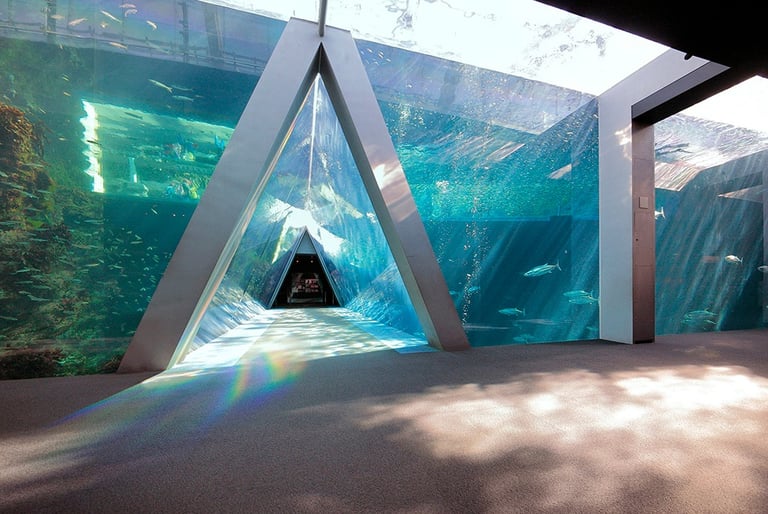
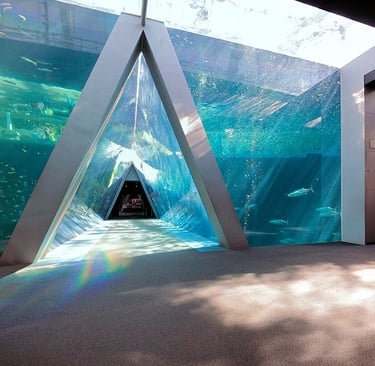
Aquamarine Fukushima – Large modern aquarium showcasing marine life where rivers meet the Pacific Ocean
Onahama Port & Seaside Parks – Coastal dining, seafood markets, and relaxed oceanfront walks
Takayu Onsen – Sulfur-rich mountain hot spring town with traditional ryokan
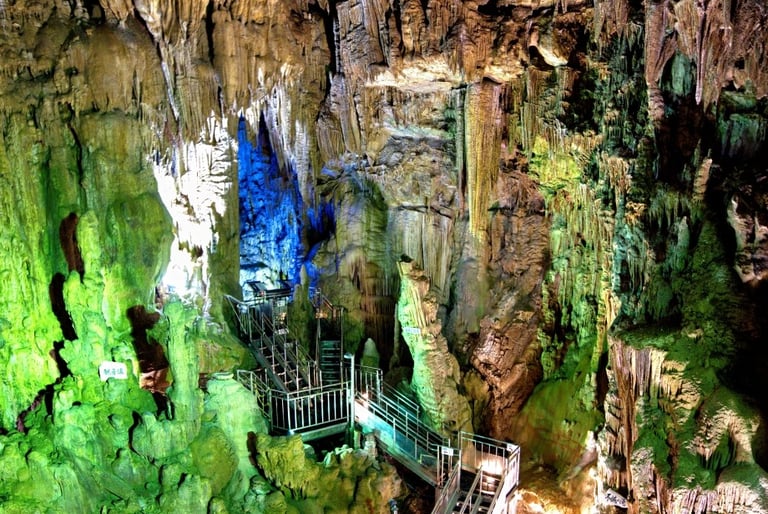
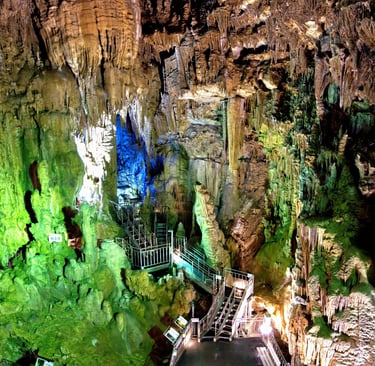
Abukuma Cave – Illuminated limestone cave with impressive stalactites and rock formations
Koriyama – Convenient transport hub with excellent rail connections across Fukushima and beyond
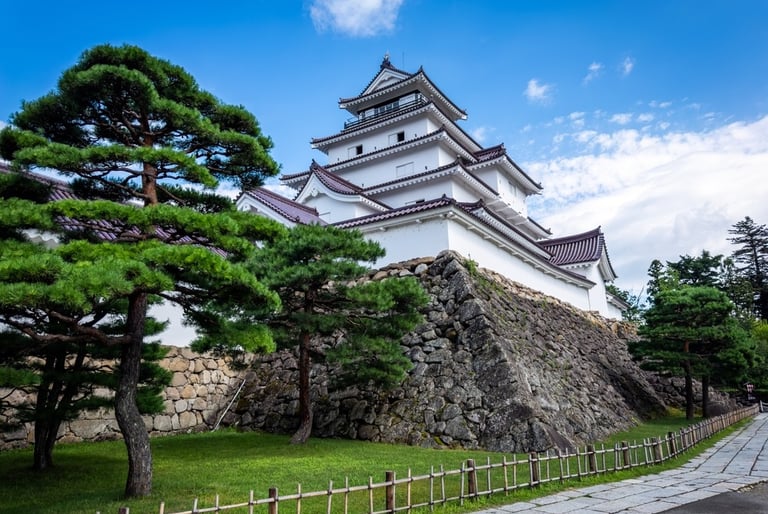
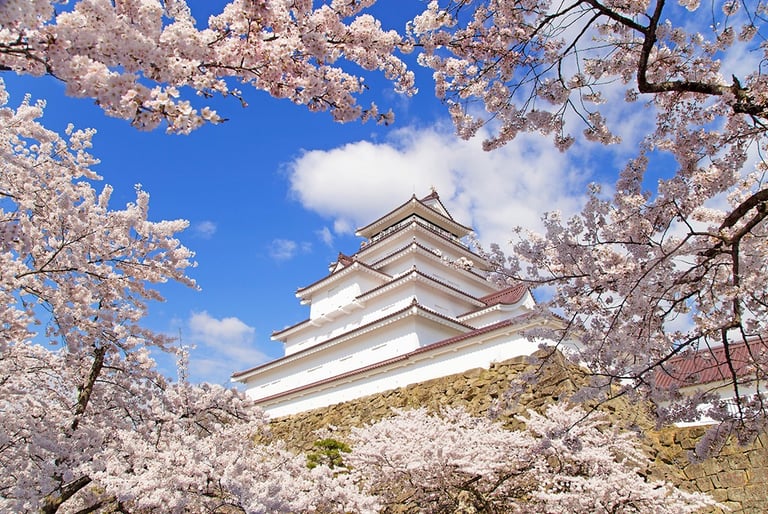
Tsuruga Castle – Iconic white-walled castle and powerful symbol of Aizu’s samurai resilience
Samurai Residences (Aizu Bukeyashiki) – Preserved homes offering insight into warrior-era life
Aizu Sake Breweries – Renowned for clean water and cold-climate brewing traditions
Ōuchi-juku – Thatched-roof Edo-period post town frozen in time
Tō-no-Hetsuri – Dramatic river-carved cliffs with short, scenic walking paths
Rural Aizu Landscapes – Quiet countryside roads and timeless mountain scenery
Lake Inawashiro – Clear waters with beautiful mountain reflections
Mount Bandai – Volcanic peak offering hiking, skiing, and scenic viewpoints
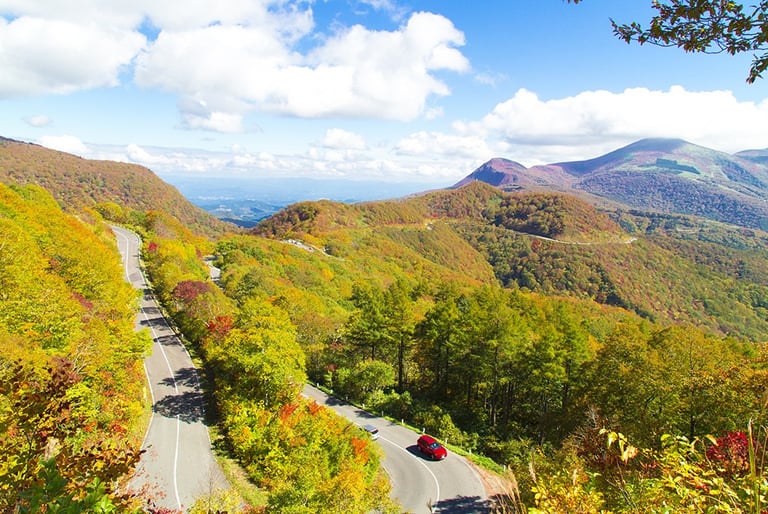
Bandai-Azuma Skyline – Spectacular panoramic mountain drive (seasonal access)
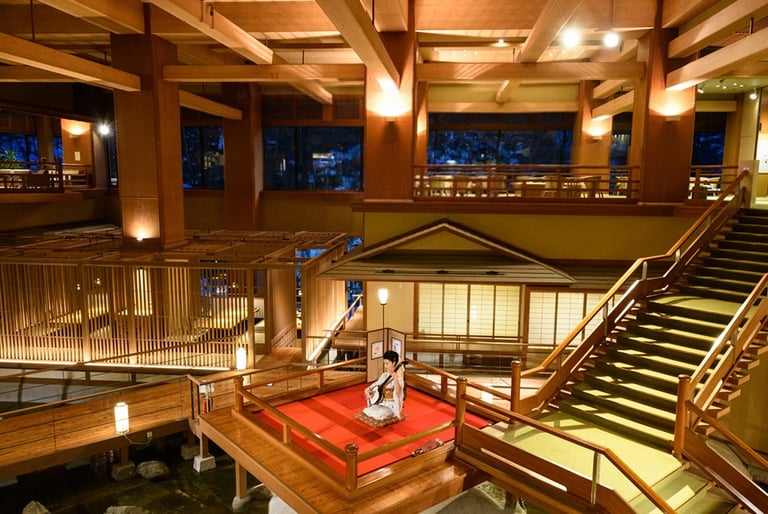
Aizu Ashinomaki Onsen Resort - Amazing Onsen hotel, many compare to the hit anime series and film, Demon Slayer
Our Top Destinations
in Fukushima
Fukushima is remarkably varied for a single prefecture — from historic samurai cities to dramatic natural formations, from coastal leisure resorts to rural post towns frozen in time. Whether your interests lie in history, nature, food, or hands-on cultural experiences, Fukushima’s destinations combine to form a compelling and memorable journey through northern Japan.
Aizu-Wakamatsu –
Samurai Spirit & Historic Heartland
Aizu-Wakamatsu is the cultural and historical soul of Fukushima and one of the most atmospheric cities in the Tohoku region. Known for its fierce samurai loyalty and resistance during the late Edo period, the city remains deeply proud of its heritage, which is still visible in its architecture, customs, and local cuisine.
At its centre stands Tsuruga Castle, a beautifully reconstructed white-walled fortress and powerful symbol of Aizu’s samurai past. The surrounding castle park is especially popular during cherry blossom season, while the interior museum offers insight into the region’s history and resilience.
Beyond the castle, visitors can explore preserved samurai residences, traditional sake breweries, and quiet streets that retain an old-world charm. Aizu-Wakamatsu also serves as an excellent base for exploring nearby villages, scenic river valleys, and onsen towns, making it an essential stop on any Fukushima itinerary.
Iwaki & the Eastern Coast –
Seaside Leisure & Resort Culture
Fukushima’s Pacific coast offers a completely different character, centred around the city of Iwaki. With a mild climate and seaside setting, this region is known for its relaxed atmosphere, coastal scenery, and family-friendly attractions.
A major highlight is Spa Resort Hawaiians, one of Japan’s most famous leisure complexes. Combining hot spring baths, water slides, pools, and Polynesian-style dance performances, it offers year-round enjoyment and is especially popular with families and multi-generational travellers. The resort is fed by the historic Iwaki Yumoto Onsen, blending entertainment with traditional hot spring culture.
The coast is also home to fresh seafood markets, scenic seaside parks, and Aquamarine Fukushima, a large and well-designed aquarium showcasing marine life from the region and beyond.
Fukushima Through the Four Seasons
Winter (Dec–Feb)
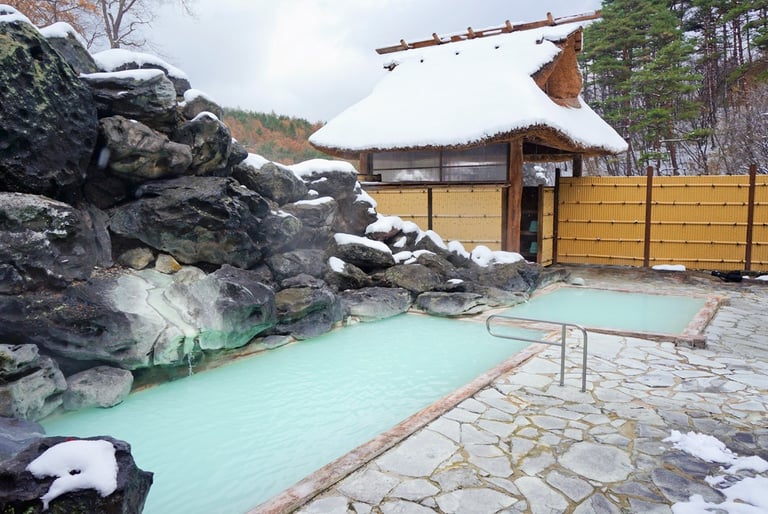
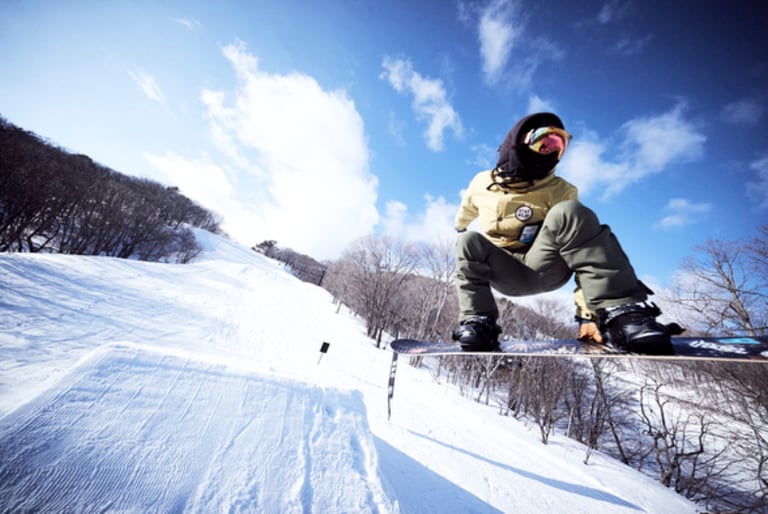
Winter brings crisp air and snow to western Fukushima, especially in Aizu and around Mount Bandai. Snow-covered samurai towns, frozen lakes, and quiet rural landscapes create a serene atmosphere, while onsen towns such as Takayu offer warming sulfur-rich baths. Winter is also a highlight for local cuisine, with hearty Aizu dishes and sake enjoyed at their best.
Spring (Mar–May)
Spring sees cherry blossoms bloom across Aizu-Wakamatsu, Tsuruga Castle Park, and lakeside areas around Lake Inawashiro. The countryside comes alive with fresh greenery, making it an ideal season for walking historic streets, exploring post towns like Ōuchi-juku, and enjoying mild weather before the summer crowds arrive.
Summer (Jun–Aug)
Summer in Fukushima offers a mix of mountain escapes and coastal leisure. The eastern coast around Iwaki enjoys mild ocean breezes, perfect for seaside walks and visits to Spa Resort Hawaiians, while inland regions offer hiking, cave exploration at Abukuma, and festivals celebrating local culture. Lush landscapes and longer daylight hours make summer ideal for outdoor exploration.
Autumn (Sep–Nov)
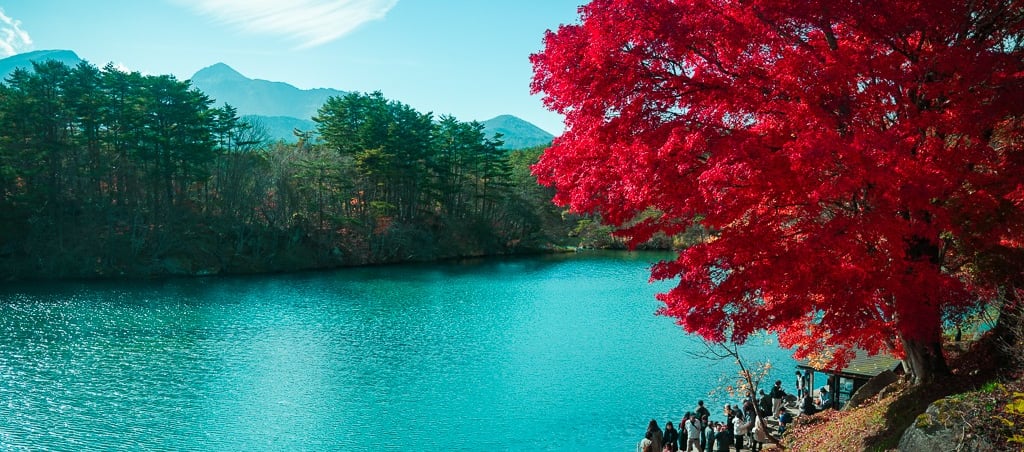
Autumn paints Fukushima in vibrant reds and golds, particularly around Mount Bandai, the Bandai-Azuma Skyline, and rural Aizu valleys. Harvest season brings fresh rice, mushrooms, fruit, and sake, making it one of the best times for scenic drives, photography, and food-focused travel. Cool temperatures and clear skies add to the region’s appeal.
Accessing Fukushima
Central Fukushima –
Nature, Onsen & Hidden Landscapes
Central Fukushima (Nakadori) forms the geographic spine of the prefecture and offers easy access to both coastal and western regions. It is rich in natural attractions and hot spring towns.
One of the area’s standout sights is Abukuma Cave, an impressive limestone cave system featuring illuminated chambers, dramatic stalactites, and rare rock formations. Walking through the cave is both accessible and memorable, making it a popular stop for travellers exploring inland Fukushima.
The region is also home to historic onsen towns such as Takayu Onsen, where sulfur-rich waters and traditional ryokan provide a deeply relaxing mountain retreat. Central Fukushima is ideal for travellers seeking scenic beauty, wellness experiences, and quieter regional exploration.
Photos and Images are credited to their respective owners
© Fukushima Prefecture Tourism and Local Products Association
© Fukushima Travel
Copyright © OOKAWASO. All rights reserved.

REDISCOVER-FUKUSHIMA - SAKURA (Cherry Blossom)
All rights reserved - the Official website VISIT FUKUSHIMA
Get in Touch
Go Japan provides travel consultancy services and connects clients with licensed Japanese travel operators.
© 2026 Go Japan. All Rights Reserved.
Photos, images and brand logos are credited to their respective owners.