
Food & Culinary Excellence
Fukuoka Prefecture is widely recognised as one of Japan’s great food regions, celebrated for its open, social dining culture and deeply satisfying regional flavours. Shaped by its coastal location, historic trade routes, and relaxed local lifestyle, the prefecture’s cuisine is bold and comforting while remaining rooted in tradition. Food is part of everyday life here, enjoyed late into the evening and shared easily among locals and visitors.
The prefecture’s dining scene extends naturally into neighbourhood eateries and streets. Fukuoka City is particularly famous for its yatai, traditional open-air food stalls that appear nightly in Hakata, Tenjin, and Nakasu. These compact stalls serve ramen, yakitori, gyoza, oden, and other comfort foods in a lively, communal setting.
Many casual eateries and specialist ramen shops in Fukuoka have earned Michelin Bib Gourmand recognition, reinforcing the city’s reputation for exceptional food at approachable prices. Yatai and restaurants alike offer an authentic taste of local life.
Local Specialties
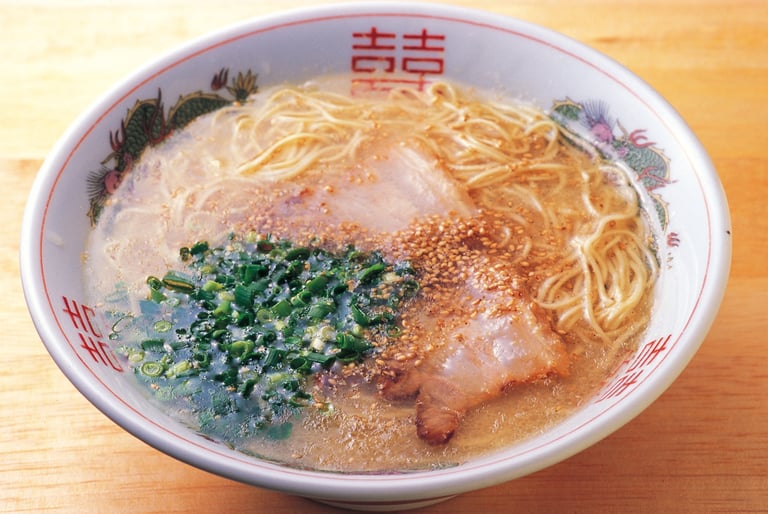
Hakata Ramen (Tonkotsu Ramen)
Fukuoka’s most famous dish, Hakata ramen features a rich, creamy pork-bone broth paired with thin, straight noodles designed to be eaten quickly. Known for its deep umami flavour, it is enjoyed throughout the city in both long-established shops and modern interpretations, making it a must-try for any visitor.
Motsunabe
A beloved local hot pot dish, motsunabe combines beef or pork offal with cabbage, garlic chives, and tofu simmered in a light soy or miso-based broth. Traditionally shared around the table, it is especially popular in cooler months and reflects Fukuoka’s hearty, flavour-forward approach to comfort food.
Dazaifu
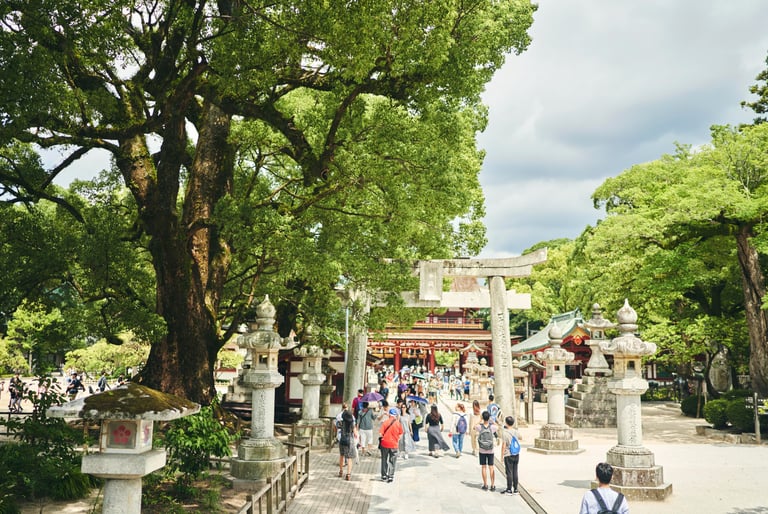
Located just a short train ride from central Fukuoka City, Dazaifu is one of Kyushu’s most culturally significant towns. Its centrepiece is Dazaifu Tenmangu Shrine, dedicated to the deity of learning and scholarship. The shrine’s serene grounds and picturesque architecture make it a spiritual hub, particularly during plum blossom season.
The surrounding streets are lined with traditional shops, serving regional sweets such as ume (plum) delicacies, and small museums showcase the town’s historical importance as Kyushu’s former administrative centre. Dazaifu offers a quieter, reflective counterpoint to Fukuoka City’s urban energy and is ideal for visitors interested in history, culture, and traditional Japanese atmospheres.
🚄 1. From Tokyo to Fukuoka
🚄 1. From Tokyo to Fukuoka
🚅 Shinkansen (Bullet Train) — Fastest & Most Convenient
Route: JR Tokaido & Sanyo Shinkansen from Tokyo Station (some services from Ueno) directly to Hakata Station in Fukuoka City.
Travel Time: Fastest “Nozomi” trains take approximately 5 hours.
Frequency: Roughly every 10–20 minutes throughout the day.
Convenience: Spacious trains with reserved or non-reserved seating, luggage racks, and easy boarding. Ideal for city-centre arrival without transfers.
Tip for Tourists: Consider the Japan Rail Pass if travelling further in Kyushu after arriving in Fukuoka. Seat reservations can be made at no extra cost.
✨ Why travellers choose this: Fast, reliable, and comfortable, allowing you to reach central Fukuoka directly while enjoying scenic views along the way.
✈️ Plane (from Tokyo)
Route: Fly from Haneda or Narita Airport to Fukuoka Airport (subway to Hakata Station takes ~5 minutes).
Flight Time: ~1 hour 45 minutes.
Pros: Convenient for travellers using airline points or connecting from domestic flights. Direct airport-to-city connection is extremely fast.
Cons: Total journey can be similar to the shinkansen once check-in, security, and boarding times are included.
🚌 Highway Bus (Budget Option)
From: Tokyo (Shinjuku, Ikebukuro) → Fukuoka City (Hakata Bus Terminal).
Duration: ~14–15 hours.
Cost: Cheaper than shinkansen (~8,000–15,000 yen depending on seat type).
Best For: Budget-conscious travellers or overnight trips where bus sleep time replaces accommodation costs.
🚄 2. From Osaka to Fukuoka
🚅 Shinkansen — Fast & Comfortable
Route: JR Sanyo Shinkansen from Shin-Osaka → Hakata Station in Fukuoka City.
Travel Time: ~2 hours 30 minutes on “Sakura” or “Nozomi” trains.
Frequency: Every 10–30 minutes.
Booking Tip: Reserved seating is recommended during peak travel periods such as Golden Week, summer holidays, and New Year.
✈️ Plane
Route: Fly from Kansai International Airport or Itami Airport → Fukuoka Airport, then subway to Hakata Station (~5 minutes).
Flight Time: ~1 hour 15 minutes.
Pros: Short flight; often competitively priced.
Cons: Airport transfers, check-in, and security may make total journey comparable to the shinkansen for city-centre access.
🚌 Long-Distance Bus
Route: Direct highway buses from Osaka/Kyoto → Fukuoka City (Hakata).
Duration: ~9–10 hours.
Best For: Budget travellers or overnight trips to save on accommodation costs.
🎟️ Rail Passes & Ticket Tips
Japan Rail Pass (Nationwide)
Covers shinkansen from Tokyo or Osaka to Fukuoka.
Also includes unlimited JR travel across Japan, making it ideal for long multi-city trips.
JR Kyushu Rail Pass
Offers unlimited travel across Kyushu, including Fukuoka, Kitakyushu, Nagasaki, Kumamoto, and Beppu.
Available in 3-day or 5-day options; must be purchased before arrival or exchanged in Japan.
Great for travellers planning multiple day trips across northern and southern Kyushu.
💡 Tip: While standard tickets work fine, regional passes often offer savings for travellers focused on Kyushu, particularly if visiting multiple cities such as Kitakyushu, Dazaifu, and Yanagawa.


Fukuoka Prefecture(福岡県)
Kyushu’s Vibrant Gateway of Food, Culture and History
Located at the northern entrance to Kyushu, Fukuoka Prefecture offers a compelling blend of modern city life, deep-rooted history, coastal scenery, and one of Japan’s most celebrated food cultures. With outstanding transport connections, a relaxed local atmosphere, and a balance of urban energy and cultural depth, Fukuoka Prefecture serves as the ideal gateway to northern Kyushu for both first-time visitors and seasoned travellers.
The prefecture encompasses a wide range of destinations, from the bustling streets of Fukuoka City to the historic and industrially rich Kitakyushu Area, along with scenic towns such as Dazaifu and Yanagawa. Together, these locations provide a diverse and rewarding introduction to Kyushu.
Urban Culture with a Relaxed Local Rhythm
Fukuoka Prefecture is known for its approachable urban culture. Fukuoka City, the prefectural capital, is compact and highly walkable, with key districts such as Hakata and Tenjin closely connected by rivers, parks, and public transport. Shopping, dining, cultural sites, and nightlife exist side by side, allowing visitors to explore without the sense of constant movement typical of Japan’s largest cities.
Hakata represents the historic heart of the city, with centuries-old temples, traditional neighbourhoods, and origins of the region’s famous food culture. Tenjin, by contrast, embodies modern Fukuoka, offering department stores, underground shopping arcades, cafés, and entertainment districts. This combination creates a city that feels energetic yet approachable, modern yet rooted in tradition.
Must-See Highlights in Fukuoka Prefecture
• Hakata District – Historic heart with temples, festivals, shopping arcades, and renowned food culture
• Tenjin – Modern shopping and entertainment hub with boutiques, cafés, and nightlife
• Yatai Street Food Stalls – Nightly open-air stalls serving ramen, yakitori, gyoza, and local favourites
• Dazaifu Tenmangu Shrine – Historic spiritual site set among traditional streets and gardens
• Raizan Sennyoji Daihioin Temple – Ancient temple nestled in peaceful forested hills, offering spiritual heritage and scenic walking paths
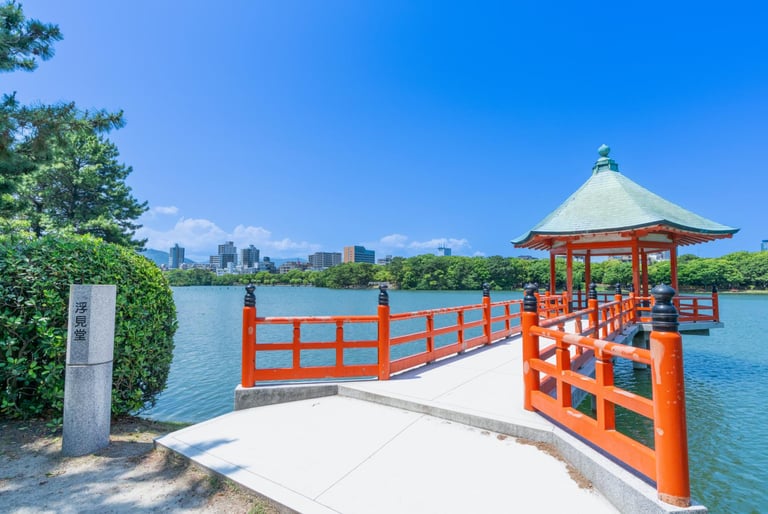
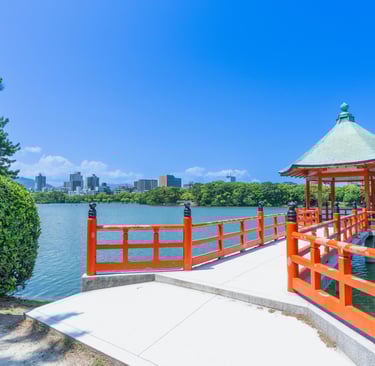
• Ohori Park & Fukuoka Castle Ruins – Lakeside park with castle remnants and seasonal scenery
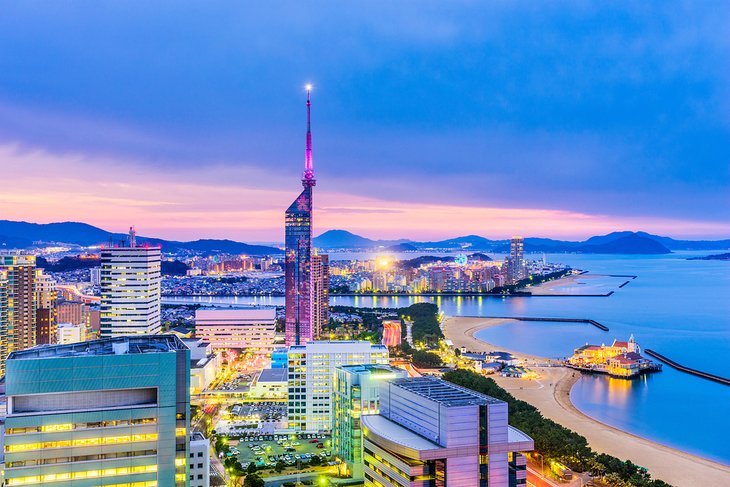
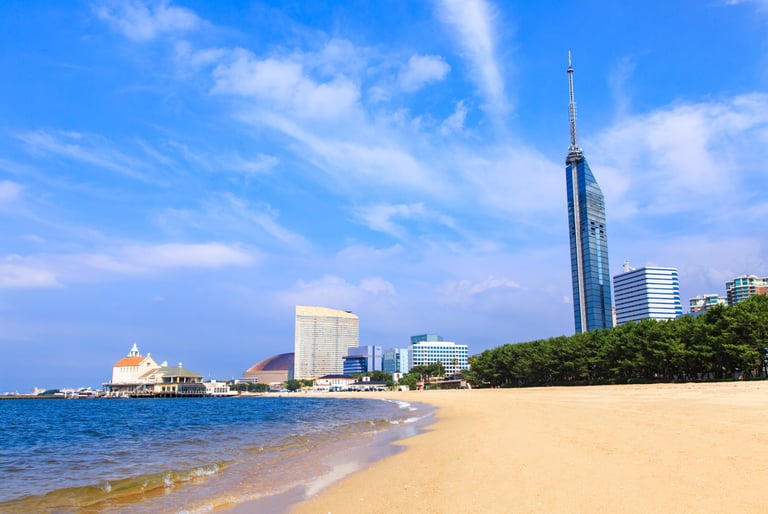
• Momochi Seaside Park & Fukuoka Tower – Modern waterfront area with panoramic views
• Yanagawa – Canal town with scenic boat cruises and traditional architecture
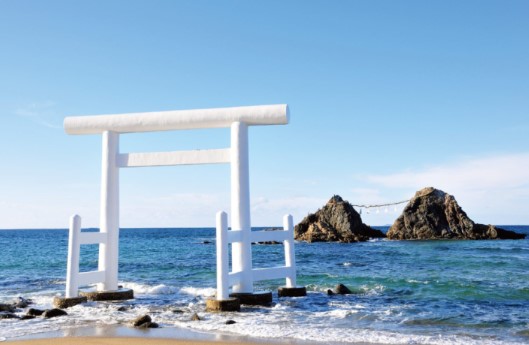
• Itoshima – Coastal area with stunning beaches, charming cafés, artisanal shops, and scenic nature walks
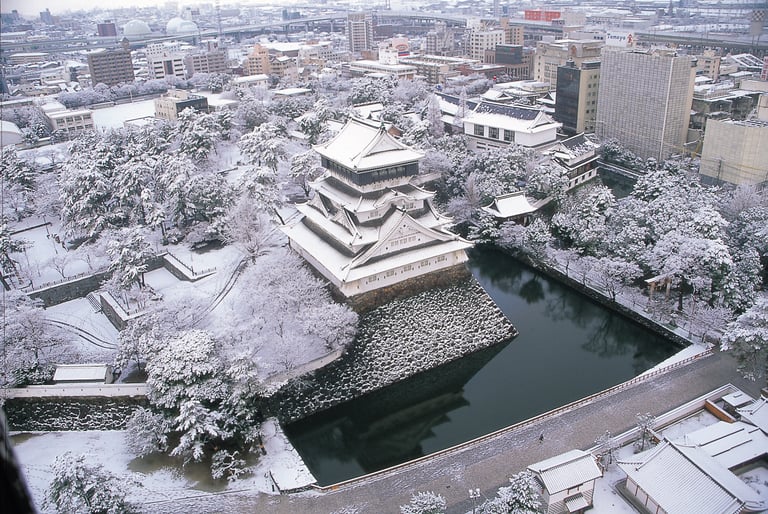
• Kokura Castle – Feudal landmark in Kitakyushu surrounded by gardens
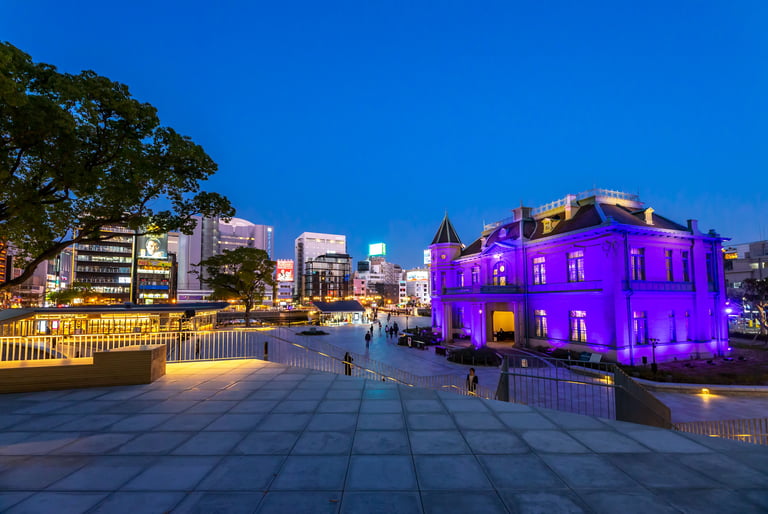
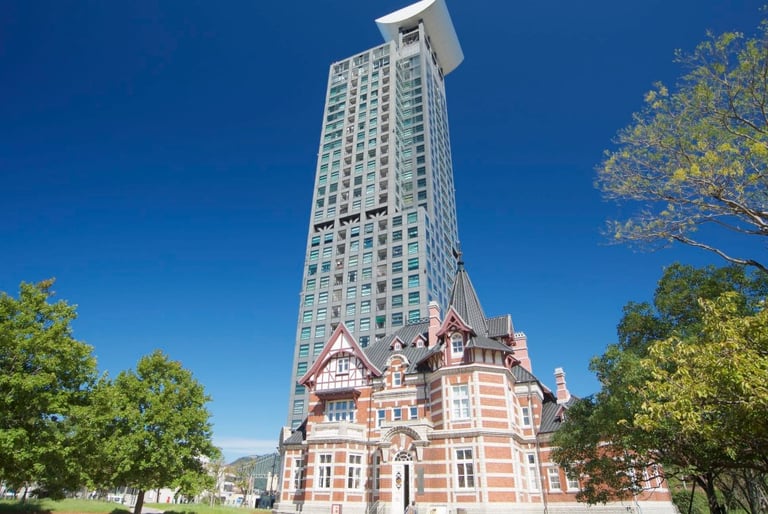
• Mojiko Retro District – Preserved Western-style port buildings and seaside promenades
• Mount Sarakura – Iconic viewpoint over Kitakyushu and the Kanmon Straits
• Hiraodai Plateau – Limestone karst landscape with walking trails
• Genkai Sea Coastlines – Scenic beaches, fishing villages, and seafood markets
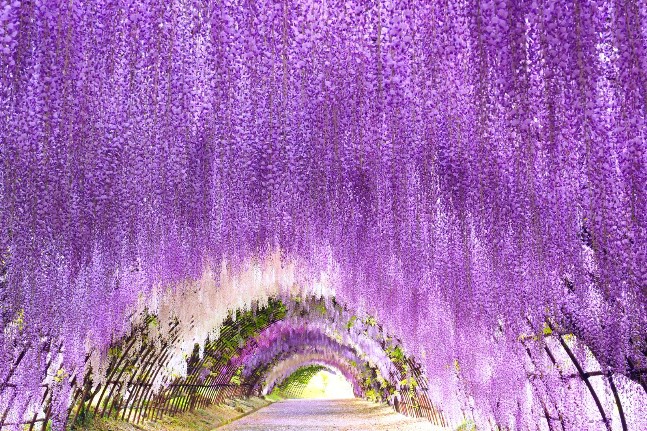
• Kawachi Wisteria Garden – Famous wisteria tunnels blooming in spring, offering vibrant colours and magical strolls
Our Top Destinations
in Fukuoka
Fukuoka City (Hakata & Tenjin)
Fukuoka City is the vibrant capital of Kyushu, a modern metropolis with a friendly, approachable atmosphere. Hakata, the historic heart, is where centuries-old temples, traditional streets, and rich festival culture can be explored alongside contemporary shopping and dining. Tenjin, the city’s commercial centre, features large department stores, underground shopping arcades, boutique cafés, and lively nightlife. Together, these districts provide visitors with a perfect balance of history, culture, and modern convenience.
Key experiences include: strolling along the Nakasu district riverside, enjoying seasonal festivals, exploring Hakata’s historic temples, and sampling the city’s world-famous Hakata ramen at local shops or yatai stalls. Fukuoka City’s compact layout makes it easy to explore multiple neighbourhoods in a single day, while its efficient public transport allows seamless access to surrounding towns.
Yanagawa
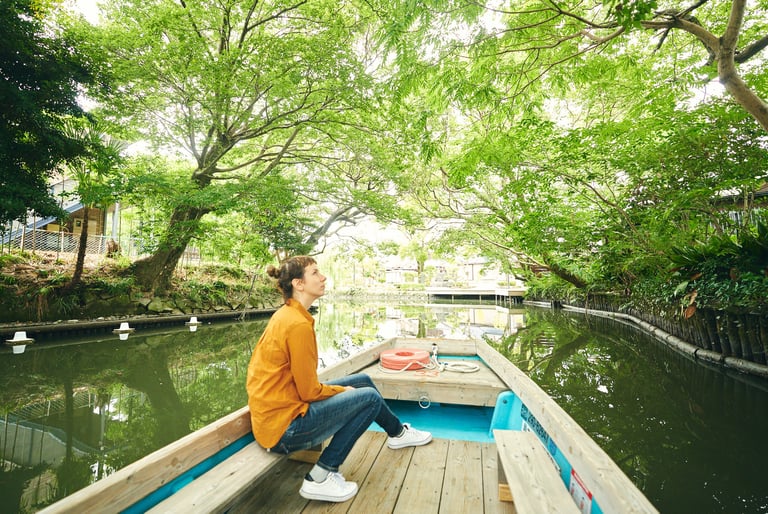
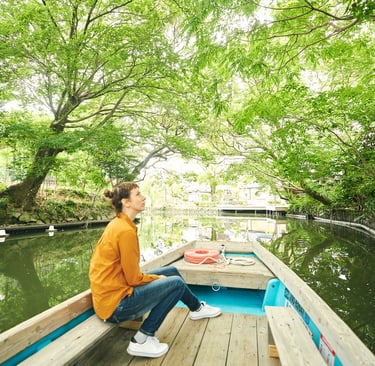
Known as the “Venice of Kyushu,” Yanagawa is a scenic canal town where waterways shape both the landscape and lifestyle. Traditional donkobune boats offer guided cruises through willow-lined canals, providing glimpses of historic residences and beautifully maintained gardens.
Visitors can enjoy seasonal flowers, local eel dishes (a regional specialty), and a tranquil atmosphere that contrasts sharply with Fukuoka City’s bustling streets. Yanagawa is particularly popular for photography, romantic walks, and relaxing day trips, giving tourists a timeless and serene Kyushu experience.
Fukuoka Through the Four Seasons
Winter (Dec–Feb)
Winter in Fukuoka is mild but crisp, perfect for exploring Fukuoka City and the northern Kitakyushu Area. Streets and parks are illuminated with seasonal lights, and local yatai stalls serve warming dishes like Hakata ramen and motsunabe. Fresh winter seafood, including squid and sea bream, highlights the prefecture’s rich culinary culture.
Spring (Mar–May)
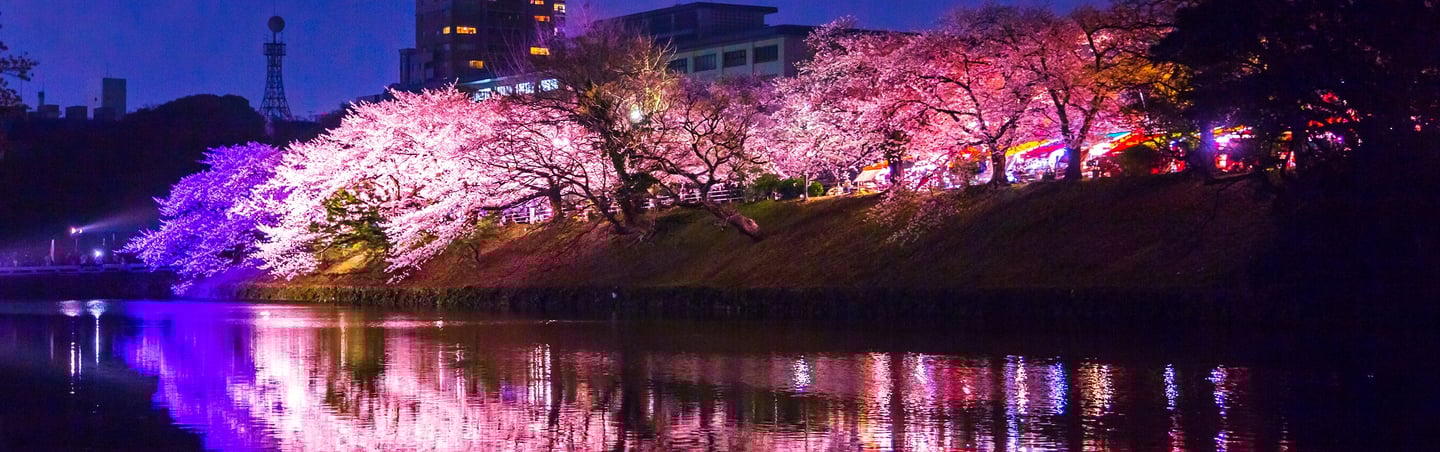
Spring brings cherry blossoms to Ohori Park, Dazaifu Tenmangu Shrine, and riverside paths. Festivals enliven Fukuoka City, while local markets brim with fresh produce and early seafood. This is an ideal time to combine sightseeing, cultural exploration, and outdoor dining along the city’s historic streets and riverbanks.
We cannot forget to mention the breathtaking wisteria tunnels at Kawachi Wisteria Garden. The combination of floral displays and cultural festivals creates the prefecture’s most picturesque season.
Summer (Jun–Aug)
Summer is lively and festive, with Hakata Gion Yamakasa in July showcasing spectacular floats and community spirit. Coastal walks along the Genkai Sea, river cruises in Yanagawa, and rooftop cafés in Tenjin offer ways to enjoy the warmth.
Markets and yatai provide fresh seasonal seafood, fruits, and vegetables, while summer evenings are perfect for enjoying Fukuoka’s approachable, social dining scene.
The season is also excellent for hiking in forested hills and exploring scenic viewpoints such as Mount Sarakura.
Autumn (Sep–Nov)
AAutumn transforms Fukuoka with colourful foliage in Ohori Park, temple gardens, and Mount Sarakura viewpoints. The season also marks peak harvest for local seafood and vegetables. Cooler weather is ideal for walking tours, city exploration, and enjoying outdoor meals at riverside cafés or lively yatai.
Accessing Fukuoka


Amaou Strawberries
Fukuoka is famous for Amaou strawberries, one of Japan’s most prized strawberry varieties. Large, plump, and exceptionally sweet, they are cultivated mainly in the southern areas of the prefecture. Amaou are widely used in desserts, including shortcakes, parfaits, and artisanal sweets, and are a must-try in winter and early spring.
Fresh Seafood from the Genkai Sea
With direct access to rich fishing grounds, Fukuoka enjoys excellent seasonal seafood, including squid, mackerel, sea bream, and shellfish. Freshness is central to the region’s cuisine, whether served simply as sashimi, lightly grilled, or incorporated into regional dishes
Yatai Street Food Culture
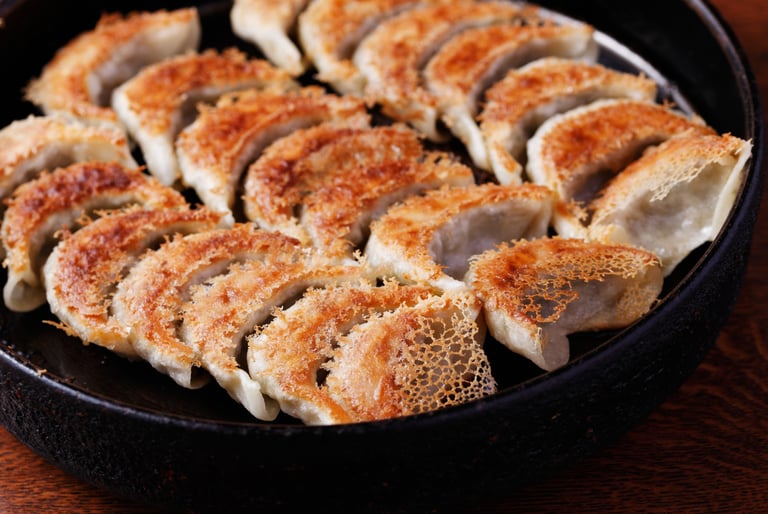
Fukuoka is famous for its yatai, traditional open-air food stalls that appear each evening along riversides and city streets, particularly around Hakata, Nakasu, and Tenjin. These compact stalls serve ramen, yakitori, gyoza, oden, and local comfort foods in a lively, communal setting.
More than just street food, yatai are a defining symbol of Fukuoka’s identity. Some long-established stalls and small specialist eateries connected to yatai culture have earned Michelin Bib Gourmand recognition, highlighting the exceptional quality and consistency found in these humble yet iconic dining spaces. Experiencing yatai dining offers visitors not only memorable food, but a genuine connection to Fukuoka’s warm and social atmosphere.
Kitakyushu Area (Kokura & Surroundings)
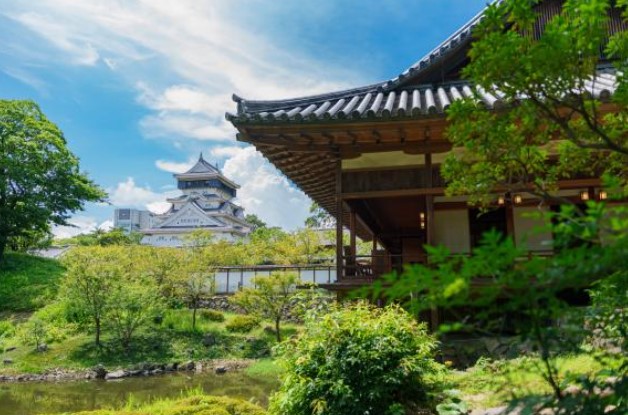
The northern gateway to Fukuoka Prefecture, Kitakyushu City combines samurai heritage, industrial history, and modern urban development. Kokura Castle stands at the city’s centre, surrounded by gardens, museums, and historic districts, offering insight into the area’s feudal past.
The city also showcases Japan’s early industrialisation, with redeveloped waterfronts and cultural attractions blending historic warehouses with cafés, galleries, and observation points. Kitakyushu’s excellent rail and highway connections make it a strategic base for exploring northern Kyushu, including day trips across the Kanmon Straits to Honshu.
Mojiko Port
A nostalgic retro harbour area in Kitakyushu, Mojiko preserves early modern Western-style architecture from Japan’s Meiji and Taisho eras. The waterfront promenade is lined with cafés, galleries, and shops, creating a charming blend of history and leisure.
Visitors can enjoy scenic views of the Kanmon Straits, explore maritime museums, and stroll along streets that evoke Japan’s rapid modernisation. Mojiko is particularly popular for history enthusiasts, photography, and leisurely seaside walks.
Photos and Images are credited to their respective owners
© Fukuoka Prefecture Tourism Association
Photo Provided by Fukuoka Prefecture Tourism Association
Provided by Fukuoka Prefecture Tourism Association
Get in Touch
Go Japan provides travel consultancy services and connects clients with licensed Japanese travel operators.
© 2026 Go Japan. All Rights Reserved.
Photos, images and brand logos are credited to their respective owners.